

Last updated on July 31st, 2026
📷 Seville in Five Days: The Complete Itinerary
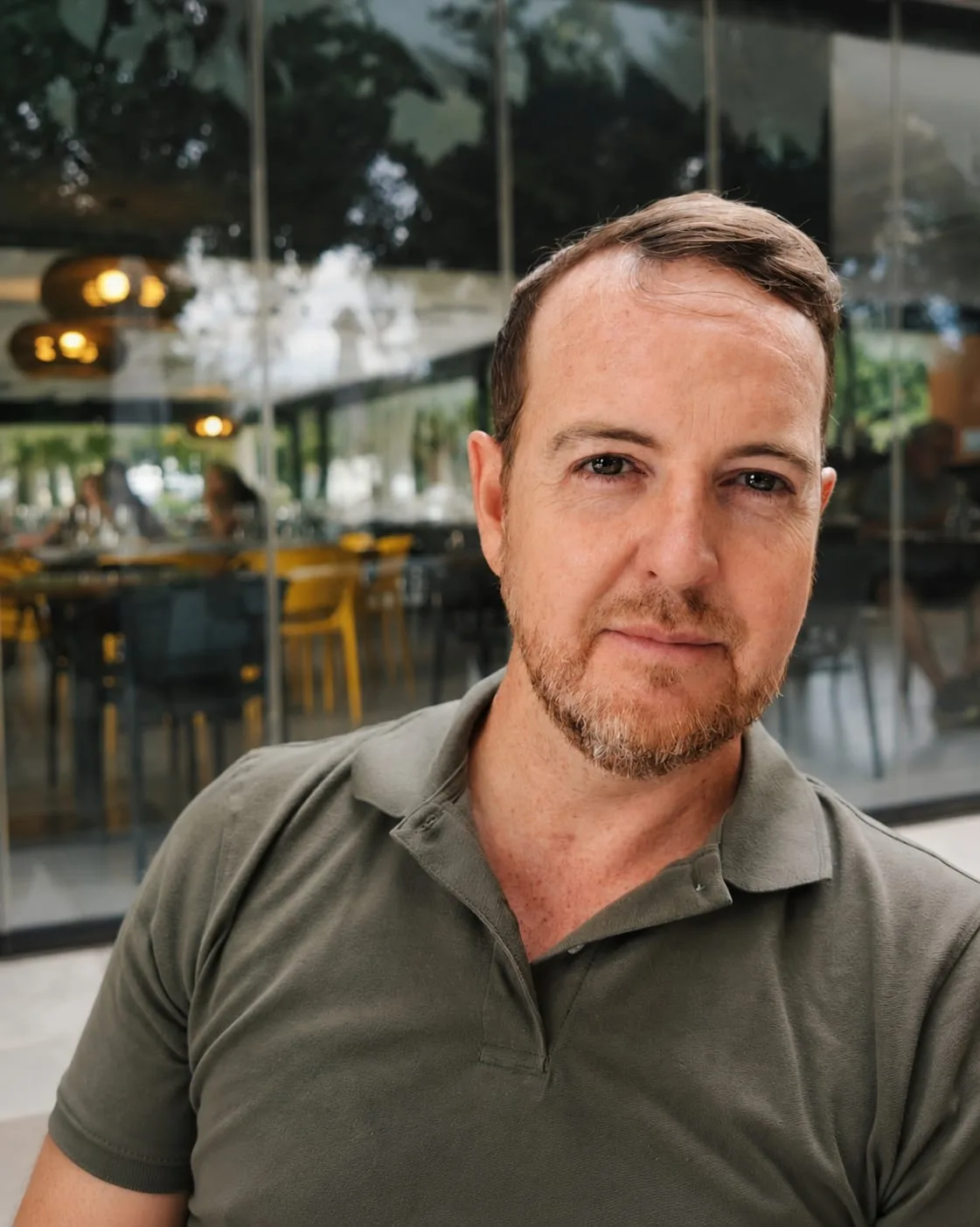
🗺️ How to organise five days in Seville – Ignacio’s recommendations
👩🏫 For a completely private experience, contact us directly. We can arrange specialist guides for the Alcázar, Cathedral, Santa Cruz, Triana, Jewish Seville, religious heritage, Itálica, the Exhibition of 1929 or a personalised combination.
💬 Ask Ignacio about private tours
✉️ info@visitarsevilla.com
👥 Compare tours and activities
Travellers who prefer scheduled activities can compare guided visits, flamenco shows, boat trips and excursions according to their dates.
🎟️ Compare tours and activities in Seville
🏰 Compare Alcázar tours and ticket options
🛥️ Check boat trips on the Guadalquivir
❤️ My advice: reserve the Cathedral and Alcázar first. Then organise the remaining days around neighbourhoods, museums, excursions and more flexible activities.

📍 Five days in Seville: key information
🌟 Is five days enough to visit Seville?
Five days is enough time to gain a much deeper understanding of Seville than most short-stay visitors achieve.
You will have time for the principal monuments, several historic neighbourhoods, important museums, religious heritage, Roman archaeology and at least one excursion outside the city.
However, Seville has hundreds of churches, palaces, convents, gardens and local spaces. The purpose of this itinerary is therefore not to see everything, but to create a balanced and realistic introduction.
❤️ My view: five days allows you to go beyond the postcard image of Seville. You can discover the great monuments, but also neighbourhood churches, Roman remains, the artistic legacy of 1929, Triana’s ceramics and the quieter atmosphere of the northern historic centre.
For a shorter stay, see our weekend itinerary in Seville. Travellers with only a few hours can choose a more concentrated one-day route.
🏰 Day One: Monumental Seville, Santa Cruz and the city centre
🌅 Morning: first contact with the monumental area
Begin your first day in the monumental centre, around the Royal Alcázar, Cathedral, Giralda, Archive of the Indies and Plaza del Triunfo.
This is the symbolic heart of Seville and the ideal place to understand the city’s Islamic, Christian and imperial history.
🌸 Santa Cruz neighbourhood
Continue through the Santa Cruz neighbourhood, including Plaza de Doña Elvira, Calle del Agua, Plaza de los Venerables and the streets connected with the old Jewish quarter.

From Santa Cruz, walk through the Murillo and Catalina de Ribera Gardens, which border the Alcázar walls, and continue towards the historic university building.
🌿 Royal Alcázar
Dedicate the principal interior visit of the morning to the Royal Alcázar of Seville.

The palace combines Islamic remains, Mudéjar architecture, Gothic rooms, Renaissance additions and extensive gardens. Advance booking is strongly recommended.
🍷 Lunch in the historic centre
For lunch, choose Santa Cruz, the Arenal, Alfalfa, Plaza Nueva or the streets around the Cathedral.
Avoid choosing only by proximity to the monuments. Walking a few streets away often leads to a calmer and more local experience.
🐴 Afternoon: carriage, shopping or art
After an intensive morning, the afternoon should be more relaxed.
One option is a horse-drawn carriage ride through Seville, which provides an introduction to María Luisa Park, Plaza de España and the banks of the Guadalquivir.

Another option is to explore the central shopping streets: Tetuán, Velázquez, O’Donnell, Rioja, Sierpes, Cuna, Puente y Pellón and the areas around Plaza del Duque, Plaza del Salvador and Plaza de la Encarnación.

Finish at the Metropol Parasol, popularly known as Las Setas. The viewpoint is particularly attractive around sunset or after dark.
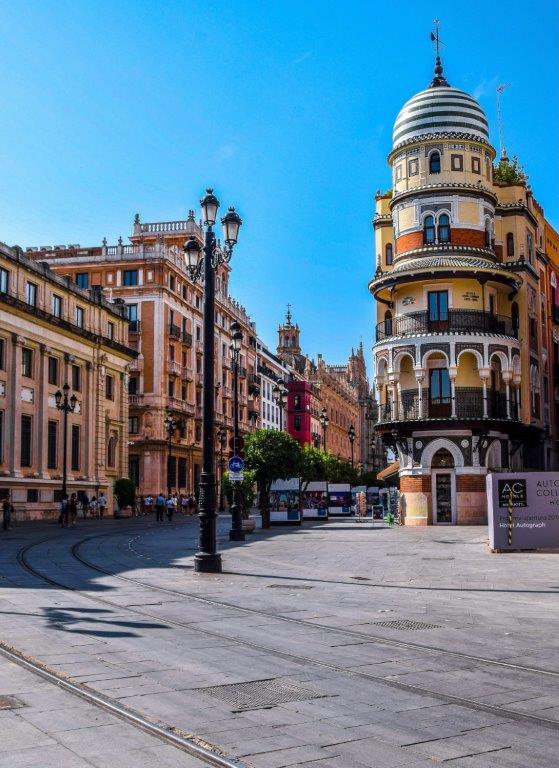
Art lovers can replace the shopping route with the Museum of Fine Arts of Seville, one of Spain’s most important galleries for Baroque painting.
📅 Day One advice: do not reserve both the Alcázar and Cathedral on the same first morning unless your arrival schedule is completely reliable. One major interior visit is enough for a relaxed start.
⛪ Day Two: Cathedral, religious heritage and Triana
🌅 Morning: Santa Cruz, San Bartolomé and historic churches
Begin with a more detailed route through Santa Cruz, San Bartolomé, Alfalfa, Santa Catalina and San Pedro.
This part of Seville contains an exceptional concentration of churches, convents, palaces and historic streets.
🎨 Hospital de los Venerables
The Hospital de los Venerables is one of the architectural and artistic highlights of Santa Cruz. Its church, courtyard and art collection make it a valuable complement to the major monuments.

✡️ Santa María la Blanca and San Bartolomé
Continue towards Santa María la Blanca, a Baroque church whose site is traditionally associated with a medieval synagogue.
The nearby San Bartolomé district preserves quieter streets, noble houses and important connections with the history of Jewish Seville.
⛪ Cathedral and Giralda
Finish the morning with the Cathedral of Seville and the Giralda.
The Cathedral deserves time for its chapels, main altarpiece, paintings, tombs and architecture. The climb to the Giralda offers a panoramic view of the historic centre.
🏰 Private monumental tour
We can organise a private guided visit to the Cathedral, Giralda and Santa Cruz or combine them with the Alcázar on another day.
🍷 Lunch beside the river or in Triana
After the Cathedral, cross towards the Guadalquivir and have lunch around Paseo de Colón, the Triana Bridge, Calle Betis or Calle San Jacinto.
💃 Afternoon: Triana
Dedicate the afternoon to the Triana neighbourhood.

A complete route may include the Church of Santa Ana, the Chapel of the Mariners and Esperanza de Triana, Calle Pureza, San Jacinto, Alfarería, Calle Betis and the Paseo de la Virgen de la O.
Continue towards the Basilica of the Cachorro if opening times and the pace of the group permit.
⛪ Alternative: Seville’s principal devotions
Visitors particularly interested in religious culture can replace Triana with a route through the great devotions of Seville.
🙏 Basilica of Jesús del Gran Poder.
⛪ Church of the Salvador and Cristo de Pasión.
🕯️ San Antonio Abad and Cristo del Silencio.
🌹 Mother House of Santa Ángela de la Cruz.
💃 Basilica of the Gypsies.
🌸 Basilica of the Macarena and the historic walls.
⛪ Day Two advice: churches may close for worship, ceremonies or community activities. A religious heritage route should always be adapted to the actual opening times.
🏛️ Day Three: Roman Itálica and the northern historic centre
🌅 Morning: Santiponce and Roman Itálica
On the third day, travel to Santiponce to visit the Roman ruins of Itálica.

Itálica was an important Roman city and is associated with the emperors Trajan and Hadrian. The site preserves an amphitheatre, streets, mosaics and remains of substantial private houses.
The visit can be combined with the Roman theatre area and the nearby Monastery of San Isidoro del Campo, one of the most important medieval monastic complexes in the province.
🍷 Lunch
Have lunch in Santiponce or return to central Seville. The best option depends on your transport arrangements and the opening time of the monastery.
🏘️ Afternoon: San Lorenzo, San Vicente, Feria and San Luis
The afternoon explores a less monumental but deeply authentic part of Seville.
Walk through San Lorenzo, San Vicente, the Museum district, La Magdalena, San Juan de la Palma, San Luis and Feria.
🙏 Plaza de San Lorenzo and Gran Poder
Plaza de San Lorenzo contains the parish church and the Basilica of Jesús del Gran Poder, home of one of the most important devotional images in Seville.

⛪ San Luis and Calle Feria
Continue towards Calle San Luis, where churches, convents and historic houses reveal another side of the city.
The area around Calle Feria and San Juan de la Palma has a more local character, with traditional shops, markets, bars and religious heritage.
🌙 Santa Cruz at night or flamenco
Finish the day with dinner in the centre and a walk through Santa Cruz after dark, when the streets are quieter and the lighting changes the atmosphere of the neighbourhood.
Alternatively, attend one of the daily flamenco shows in Seville.
🏛️ Day Three advice: Itálica is largely outdoors. In warmer months, visit early and carry water, sun protection and suitable footwear.
🌳 Day Four: María Luisa Park, the river and La Cartuja
🌅 Morning: María Luisa Park and the Exhibition of 1929
Dedicate the morning to María Luisa Park and the architecture of the Ibero-American Exhibition of 1929.

🇪🇸 Plaza de España
Plaza de España is the great architectural symbol of the 1929 Exhibition. Its monumental curve, canal, bridges and ceramic benches represent the provinces of Spain.

🏛️ Plaza de América
Continue towards Plaza de América and its three principal pavilions: the Archaeological Museum building, the Mudéjar Pavilion and the Royal Pavilion.
The museums and exhibitions operating in these buildings may vary, so check current access before planning a long interior visit.
🌊 Muelle de las Delicias and the river
Continue towards the Muelle de las Delicias, the Aquarium and the Guadalquivir.
From here, you can take a boat trip or continue towards the Torre del Oro and the bullring area.
🛥️ Compare boat trips and departure times
Have lunch near Paseo de Colón, the Triana Bridge or the Arenal.
🎨 Afternoon: La Cartuja and the legacy of Expo 92
In the afternoon, explore the Island of La Cartuja.
The main cultural visit is the Monastery of Santa María de las Cuevas, also known as the Monastery of La Cartuja, which now houses the Andalusian Centre for Contemporary Art.

The complex combines monastic architecture, the memory of Christopher Columbus, historic ceramic production and contemporary art.
The wider island preserves buildings and urban spaces from the Universal Exhibition of 1992, including the Navigation Pavilion and several former national or thematic pavilions.
A longer route can continue towards Alamillo Park and return along the riverside promenade, although this is only recommended for visitors who enjoy extensive walking or cycling.
💃 Evening: flamenco
The fourth evening is another good opportunity to attend a flamenco show or visit the Museum of Flamenco Dance.

🌳 Day Four advice: María Luisa Park and La Cartuja are large areas. Use a taxi between them if you want to preserve time and energy for the actual visits.
🏘️ Day Five: Carmona or another excursion from Seville
The final day is ideal for an excursion beyond the capital.
🏛️ Carmona
Carmona is one of the most attractive historic towns in the province of Seville and a strong choice for a half-day or almost full-day excursion.

Its heritage includes Roman remains, medieval gates, churches, convents, palaces, viewpoints and a historic centre with a strong local character.
The Roman necropolis, the Puerta de Sevilla, the Alcázar de la Puerta de Marchena area and the principal churches provide a broad introduction to the town’s history.
🏛️ Alternative towns
Other possible excursions include:
⛪ Écija: Baroque churches, towers, palaces and a rich urban history.
🏘️ Marchena: churches, gates, noble heritage and traditional Andalusian atmosphere.
🎨 Osuna: Renaissance architecture, collegiate church, university and important artistic heritage.
🌿 Doñana: natural landscapes and wildlife, depending on the selected access and excursion format.
🕌 Córdoba: a full-day trip centred on the Mosque-Cathedral and historic quarter.
🏰 Granada: a longer and more demanding excursion, normally focused on the Alhambra and Albaicín.
🏘️ My recommendation: choose Carmona if you want a relaxed excursion closely connected with the history of Seville. Córdoba and Granada are magnificent, but they involve much more travel and a more intensive day.
🗓️ Five-day itinerary at a glance
🏰 Day One: monumental centre, Royal Alcázar, Santa Cruz, shopping, Museum of Fine Arts or Las Setas.
⛪ Day Two: Cathedral, Giralda, Hospital de los Venerables, San Bartolomé and Triana or religious heritage.
🏛️ Day Three: Itálica, San Isidoro del Campo, San Lorenzo, San Luis and flamenco.
🌳 Day Four: María Luisa Park, Plaza de España, river, La Cartuja and Expo 92.
🏘️ Day Five: Carmona or another cultural excursion from Seville.
💡 Practical tips for five days in Seville
🎟️ Book the Alcázar and Cathedral: availability can be limited during busy periods.
👟 Wear comfortable footwear: this itinerary includes long walks and historic paving.
🌡️ Adapt to the season: outdoor routes should begin early during hot weather.
🕰️ Check opening times: churches, museums and monuments may close on particular days or during worship.
🚕 Use taxis strategically: they are useful for La Cartuja, Itálica connections and reducing unnecessary walking.
🍷 Allow time for meals: tapas, markets and neighbourhood restaurants form part of the experience.
🗺️ Do not follow the route rigidly: weather and ticket times may require changing the order of the days.
📅 Keep one flexible period: use it for a missed monument, shopping, rest or an unexpected discovery.
👨👩👧👦 How to adapt the itinerary
Families with children
Reduce the number of churches and museums and give more time to the Alcázar gardens, Plaza de España, María Luisa Park, a boat trip and Itálica.
Travellers interested in art
Include the Museum of Fine Arts, Hospital de los Venerables, Cathedral, Santa María la Blanca and La Cartuja.
Religious and cultural travellers
Add Gran Poder, Macarena, the Gypsies, Santa Ángela de la Cruz, Salvador, San Luis and selected convents.
Architecture enthusiasts
Give greater attention to the Alcázar, Cathedral, Jewish quarter, María Luisa Park, the Exhibition of 1929, La Cartuja and the legacy of Expo 92.
Visitors with reduced mobility
The itinerary should be reorganised around shorter walks, vehicle transfers, accessible entrances and carefully selected monument routes.
👩🏫 Why organise part of your stay with a private guide?
A private guide is especially useful during a five-day stay because you can combine guided interpretation with independent exploration.
🏰 Understand the principal monuments: connect Islamic, Christian, Gothic, Mudéjar and Renaissance periods.
🗺️ Use your time efficiently: avoid unnecessary routes and poorly coordinated entrances.
👥 Private attention: the guide works only with your group.
🎨 Choose specialist themes: art, Jewish heritage, Roman Seville, religion, architecture or 1929.
👨👩👧👦 Adapt the pace: suitable for families, older travellers and specific mobility needs.
💬 Personal planning: discuss the itinerary with Ignacio before deciding which days need a guide.
📅 Would you like us to organise your five days?
Tell us your travel dates, arrival and departure times, number of visitors, ages and principal interests. We can recommend a realistic order and arrange private specialist guides.
⭐ Useful bookings for a five-day stay
🏨 Hotels in Seville: Compare accommodation and availability
🏰 Royal Alcázar: Compare tours and ticket options
🛥️ Guadalquivir cruises: Check boat trips and schedules
💃 Flamenco: See our flamenco recommendations
🐴 Horse-drawn carriage: Read our carriage guide
🙂 More activities: Compare experiences in Seville
📖❓ Frequently asked questions about five days in Seville
Is five days too long for Seville? ▼
No. Five days allows you to see the principal monuments, several neighbourhoods, museums, Itálica and one excursion without rushing.
Should I book the Alcázar and Cathedral in advance? ▼
Yes. Advance booking is strongly recommended, particularly at weekends, during holidays and in the busiest seasons.
Can I visit Itálica without a car? ▼
Yes. Santiponce can be reached from Seville by public transport, taxi, private transfer or organised excursion.
Is Carmona a good day trip? ▼
Yes. Carmona has Roman, medieval, Renaissance and Baroque heritage and is one of the most rewarding excursions from Seville.
Can I include Córdoba or Granada? ▼
Yes, but both are full-day excursions. Córdoba is usually easier to combine with a stay in Seville, while Granada requires more travel and careful Alhambra planning.
Is this itinerary suitable for families? ▼
Yes, but reduce the number of churches and museums and include more gardens, Plaza de España, the Alcázar gardens, a boat trip and Itálica.
Should I stay in the historic centre? ▼
A central hotel reduces travel time. The Cathedral, Arenal, Santa Cruz, Plaza Nueva, Alameda and Triana are all useful areas depending on your preferences.
Can the order of the days be changed? ▼
Yes. The final order should be adapted to monument tickets, museum closing days, weather and your arrival and departure times.
Can you organise private guides for several days? ▼
Yes. We can organise one or several private visits and combine different specialist guides according to the subjects you want to explore.
How can I ask Ignacio for advice? ▼
Write to info@visitarsevilla.com or contact us through WhatsApp, indicating your dates, arrival and departure times, number of visitors and principal interests.
📷 Discover Seville properly in five days
Explore the Cathedral, Alcázar, Santa Cruz, Triana, Roman Itálica, María Luisa Park, La Cartuja and one of the great historic towns near Seville.
Contact us for a personalised itinerary and private specialist guides or compare scheduled activities according to your travel dates.
💬 Ask Ignacio to organise your five days
✉️ info@visitarsevilla.com
📱 @visitarsevillacom
➡️ Weekend itinerary in Seville
➡️ Private guided tours in Seville
➡️ Guided tours and cultural experiences in Seville
Content prepared by VisitarSevilla.com, a local cultural tourism project active since 2014. Monument opening times, ticket availability, museum access, religious services and excursion conditions may vary according to the date and season.


Leave a comment