

Last updated on July 31st, 2026
☀️ When Is the Best Time to Visit Seville? Weather, Seasons and Travel Advice

🗓️ The best time to visit Seville at a glance
For most travellers, the most comfortable periods are March to May and late September to November.
🌸 Best for atmosphere and festivals: spring
🍂 Best balance of weather and crowds: autumn
🎄 Best for a quiet cultural visit: winter
☀️ Best for lower accommodation prices: parts of summer, provided you can tolerate intense heat

📍 Seville weather and seasons: quick guide
🌟 So, when should you come to Seville?
There is no single perfect month for every visitor.
Travellers who want to experience the city’s great celebrations may choose spring despite the higher prices and crowds. Those who prefer a more relaxed cultural stay may find October, November, January or February more suitable.
Summer can also work well for visitors who organise the day intelligently, stay in air-conditioned accommodation and avoid long outdoor visits during the hottest hours.
❤️ My recommendation: for a first cultural visit, I particularly like late March, May outside the busiest festival dates, October and the first half of November. These periods normally offer enough daylight, comfortable walking conditions and a lively city without the most extreme summer heat.
🌸 Spring in Seville
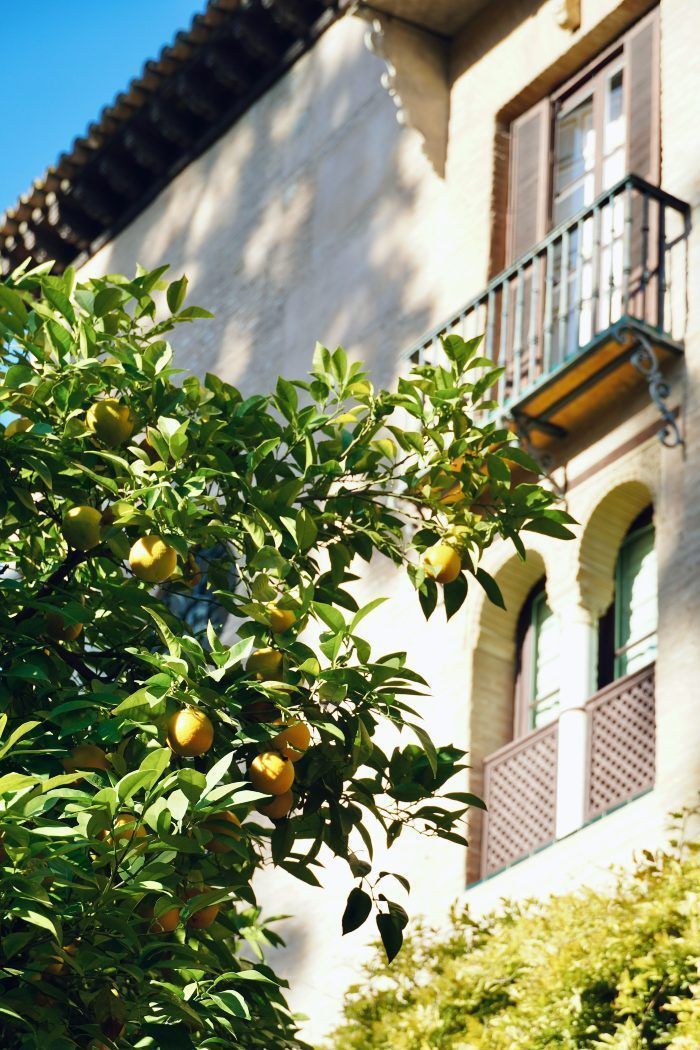
Spring is the most celebrated season in Seville. Orange blossom perfumes the streets, gardens become greener and much of the city’s social and cultural life moves outdoors.
Temperatures are usually pleasant, although warmer days become increasingly common as the season progresses. Early spring mornings and evenings may still require a light jacket.

The gardens of the Royal Alcázar, María Luisa Park, Murillo Gardens and many palace houses are particularly attractive during this period.
Spring is also the season of Seville’s two great annual events: Holy Week and the Seville Fair.
🌼 Advantages: flowers, long days, outdoor atmosphere and comfortable temperatures.
🙏 Major event: Holy Week, with historic religious processions throughout the city.
💃 Major event: the Seville Fair, with casetas, horses, flamenco dresses and festive gatherings.
🏨 Disadvantage: accommodation prices can increase significantly during major events.
👥 Crowds: the historic centre and monuments may become extremely busy.
🙏 Holy Week in spring
Holy Week transforms Seville into an immense religious and cultural stage. Centuries-old sculptures, brotherhoods, music, candlelight and incense fill the streets.
It is an extraordinary time to visit, but it is not a normal sightseeing week. Street closures, processions and large crowds affect access to monuments, restaurants and transport.
➡️ Read our guide to Holy Week in Seville
💃 The Seville Fair
The Seville Fair is a very different celebration, centred on decorated casetas, food, horses, carriages, music and dancing.

Visitors can walk around the fairground and enter public casetas, although most individual casetas are private.
➡️ See our complete guide to the Seville Fair
🌸 Important: spring dates should be checked carefully. Holy Week and the Fair change according to the calendar, and the Fair may fall partly or entirely in May.
☀️ Summer in Seville
Summer in Seville is very hot, dry and intensely bright. Daytime temperatures frequently exceed 35°C, and heatwaves can bring considerably higher values.
July and August are generally the most demanding months for outdoor sightseeing. The central hours of the day are not suitable for long walks, exposed archaeological sites or extended queues in direct sunlight.

However, summer also reveals a different rhythm of life. Mornings begin early, the afternoon becomes quieter and the streets recover their energy after sunset.
Outdoor terraces, riverside walks, rooftop bars, evening concerts and night visits allow travellers to enjoy the city after the strongest heat has passed.

🔥 Main challenge: very high temperatures during the afternoon.
🏨 Essential: choose accommodation with reliable air conditioning.
🌅 Best sightseeing time: early morning.
🌙 Best walking time: evening and night.
🏛️ Best midday activities: museums, churches, palaces and a long lunch.
💶 Possible advantage: some accommodation may be less expensive outside specific events.
🕰️ A sensible summer timetable
🌅 8:30–11:30: monuments, guided tours and outdoor walks.
🏛️ 11:30–14:00: indoor heritage sites, churches or museums.
🍽️ 14:00–17:30: lunch, hotel rest or swimming pool.
☕ 17:30–20:30: shaded neighbourhoods and indoor visits.
🌙 After 20:30: river walks, terraces, flamenco and evening activities.
☀️ My summer advice: do not attempt to follow a normal northern-European sightseeing schedule. A successful summer trip to Seville requires fewer activities, earlier starts, long breaks and evenings outdoors.
🧊 Where to escape the summer heat
Sevillians have centuries of experience adapting buildings and daily routines to high temperatures.
Traditional houses use courtyards, fountains, shade, thick walls and ceramic tiles to create cooler interiors.
🏰 Royal Alcázar: palace interiors, courtyards and shaded gardens.
⛪ Churches: historic interiors that are often cooler than the streets.
🏛️ Palace houses: Casa de Pilatos, Palacio de las Dueñas and similar buildings.
🌳 María Luisa Park: shaded paths, fountains and vegetation.
🏘️ Santa Cruz: narrow streets with sections of shade, particularly outside peak hours.
🎨 Museums: ideal for the hottest part of the afternoon.
🍂 Autumn in Seville
Autumn is one of the best periods for a cultural visit to Seville.
The intense summer heat gradually decreases, outdoor life returns to the streets and the city recovers a comfortable rhythm.

September may still be very warm, particularly during the first half of the month. October and November normally offer more comfortable walking conditions, although occasional rain becomes more likely.
Autumn is particularly suitable for exploring the Cathedral, Giralda, Alcázar, Santa Cruz, Triana and the palace houses without the intense heat of summer.

🍂 Advantages: comfortable walking, lively streets and fewer extreme temperatures.
🏛️ Best for: monuments, private tours, architecture and neighbourhood routes.
🌧️ Possible disadvantage: occasional rain, especially later in the season.
📷 Photography: softer light and attractive evening conditions.
👥 Crowds: generally manageable, although October can still be a popular month.
🍂 My view: October is one of the easiest months for a first visit. The city feels alive, the evenings remain pleasant and it is possible to organise full cultural days without the restrictions imposed by summer heat.
🎄 Winter in Seville
Winter in Seville is usually mild compared with much of Europe.
Mornings and evenings can feel cold, particularly in shaded streets and unheated historic buildings, but many afternoons are pleasant for walking.
Rain is possible, and the days are shorter. Monument schedules may also be more limited than in spring or summer.

Despite these limitations, winter is an excellent season for visitors who value tranquillity, museums, churches, gastronomy and long cultural conversations more than outdoor nightlife.
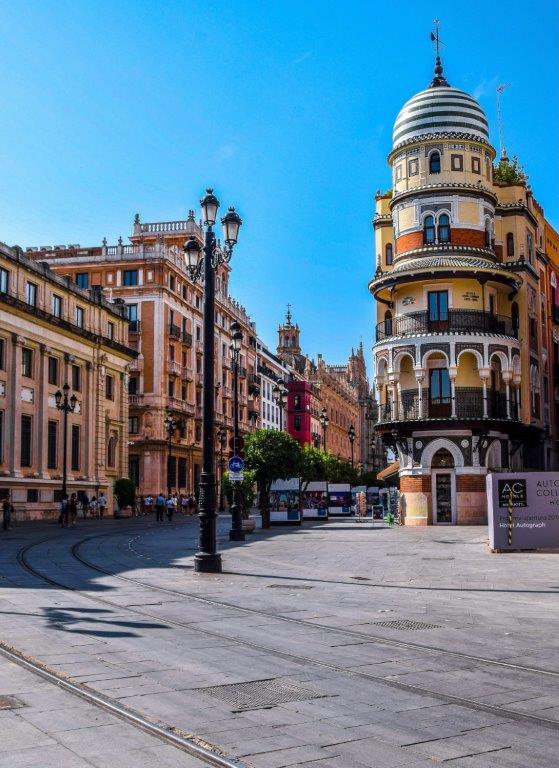
🏛️ Advantages: quieter monuments and comfortable daytime sightseeing.
💶 Possible advantage: better accommodation prices outside Christmas and major weekends.
🌧️ Weather: mild overall, with the possibility of rain and cool evenings.
🌅 Disadvantage: shorter daylight hours.
🧥 What to bring: layers, a light waterproof jacket and comfortable closed shoes.
🎄 Christmas and New Year
During Christmas, central Seville is decorated with lights and hosts seasonal markets, concerts, nativity scenes and family activities.
The evening of 5 January brings the traditional Three Kings Parade, an especially popular event for families.
Christmas and New Year are not necessarily quiet or inexpensive periods, so accommodation should still be booked in advance.
🎄 Winter recommendation: January after the Three Kings celebrations and much of February can be particularly attractive for a quiet heritage-focused trip.
📅 Seville month by month
January
Cool mornings, mild afternoons and generally quieter conditions after the Christmas festivities. Good for monuments, museums and gastronomy.
February
Often one of the calmest months. Spring-like afternoons are possible, although rain and cool spells can still occur.
March
The city becomes greener and more animated. Temperatures are generally pleasant, but Holy Week may sometimes fall partly in March.
April
One of the most beautiful but busiest months. Holy Week or the Fair may affect prices, traffic and monument access.
May
Long days and warm weather. Excellent outside major event dates, although afternoon temperatures may already become high.
June
Summer heat becomes more intense. Early June is normally easier than the end of the month.
July
Very hot and dry. Plan indoor activities, early starts, long afternoon rests and evening walks.
August
Usually one of the hottest periods. Some local businesses may reduce hours, but major monuments remain popular with international visitors.
September
The first half can still feel like summer. Conditions usually improve as the month progresses.
October
One of the best all-round months, with comfortable temperatures and a strong cultural atmosphere.
November
Quieter, cooler and suitable for walking, although rain becomes more possible and days grow shorter.
December
Christmas lights, markets and family events create a festive atmosphere. Temperatures are normally mild during the day but cooler after sunset.
🎯 Best season according to your travel style
🙏 For Holy Week: spring, checking the exact annual dates.
💃 For the Seville Fair: spring, checking whether it falls in April or May.
🏛️ For monuments and private tours: autumn, winter and spring outside major events.
👨👩👧👦 For families: March, May, October and early November are often practical choices.
📷 For photography: spring flowers, autumn light and winter sunsets.
💶 For a lower budget: parts of January, February, July and August, avoiding special events.
🌙 For nightlife: spring, early summer and autumn.
🌳 For gardens: spring is normally the most spectacular.
🍽️ For gastronomy: any season, although autumn and winter are especially comfortable for long meals.
🚶 For walking all day: October, November, February, March and mild spring periods.
🏨 When is accommodation most expensive?
Hotel prices do not depend only on the season. Major festivals, conferences, football matches and special events can create very high demand.
Holy Week and the Seville Fair are normally among the most expensive periods of the year.
Central hotels with balconies or direct views of processional routes may command particularly high prices during Holy Week.
🏨 Compare accommodation in Seville
Check prices in the historic centre, Santa Cruz, Triana, Los Remedios and areas with convenient public transport.
🧳 What to pack for each season
🌸 Spring: light clothing, a jacket for evenings, comfortable shoes and a compact umbrella.
☀️ Summer: breathable clothing, hat, sunscreen, refillable water bottle and very comfortable footwear.
🍂 Autumn: layers, a light waterproof jacket and clothing suitable for both warm afternoons and cooler evenings.
🎄 Winter: medium-weight jacket, layers, closed shoes and rain protection.
⚠️ Common mistakes when choosing travel dates
❌ Assuming April is always mild and quiet: it may include major festivals, high prices and large crowds.
❌ Underestimating summer heat: temperatures can affect health, walking capacity and enjoyment.
❌ Booking Holy Week without understanding street closures: normal sightseeing becomes more complicated.
❌ Choosing the Fair without access expectations: most casetas are private.
❌ Assuming winter is always sunny: mild weather does not exclude rainy periods.
❌ Ignoring daylight hours: winter requires earlier starts and more careful planning.
❌ Looking only at hotel prices: weather, events and opening hours can matter more than a small saving.
👩🏫 Private tours at any time of year
A private guide can adapt the route to the season, temperature, opening hours and your personal interests.
In summer, the visit can begin early and prioritise shaded or indoor spaces. During Holy Week, the route can be adjusted around processions. In winter, the programme can make better use of the limited daylight.
🏰 Royal Alcázar and Cathedral: private monumental visits.
🏘️ Santa Cruz and historic Seville: routes adapted to the temperature.
🎨 Art and religious heritage: churches, palace houses and specialist themes.
👨👩👧👦 Family visits: adjusted to ages and walking capacity.
♿ Accessible planning: realistic routes according to mobility requirements.
💬 Personal advice: direct contact with Ignacio before choosing your dates and itinerary.
🗓️ Not sure when to come to Seville?
Tell us your possible dates, number of travellers, ages and interests. We can help you evaluate the weather, festivals, crowds and the most suitable private visits.
⭐ Why plan your trip with VisitarSevilla.com?
📍 Local perspective: practical advice based on how Seville changes throughout the year.
🗓️ Festival planning: understand the impact of Holy Week and the Fair before booking.
☀️ Seasonal routes: visits adapted to heat, rain and daylight.
🏛️ Cultural expertise: monuments, churches, palace houses and specialist itineraries.
👩🏫 Private guides: experiences adapted to couples, families and private groups.
💬 Direct contact: speak with Ignacio before making your final decision.
📖❓ Frequently asked questions about the best time to visit Seville
What is the best month to visit Seville? ▼
October is one of the best all-round choices. March, May outside major event dates and early November can also be excellent.
Is April the best time to visit Seville? ▼
April can be beautiful, but it may also be very busy and expensive because of Holy Week or the Seville Fair. Check the exact calendar before booking.
Is Seville too hot in summer? ▼
Summer can be extremely hot, especially in July and August. A visit is still possible with early starts, air-conditioned accommodation and long afternoon breaks.
Is Seville worth visiting in August? ▼
Yes, provided you are comfortable with intense heat and organise activities in the morning, indoors and after sunset.
Is Seville warm in winter? ▼
Winter is mild compared with northern Europe, although mornings, evenings and shaded historic buildings can feel cold.
Does it rain in Seville? ▼
Yes. Rain is more likely in autumn and winter, although Seville also experiences many dry and sunny days during these seasons.
When is Seville most crowded? ▼
Holy Week, the Seville Fair and some major event weekends create the highest demand and greatest congestion.
When is Seville cheapest? ▼
Lower prices may be available during parts of January, February, July and August, although rates always depend on specific events and demand.
When is the Seville Fair? ▼
The dates change each year according to the festive calendar. Despite its traditional name, it may take place partly or entirely in May.
Is Holy Week a good time for sightseeing? ▼
It is a unique cultural experience, but ordinary sightseeing becomes more complicated because of crowds, processions and street closures.
Is autumn better than spring? ▼
Autumn is generally calmer and easier to plan. Spring offers greater visual beauty and major festivals but can be more crowded and expensive.
What is the best season for families? ▼
Spring outside the busiest festival dates and autumn are usually the easiest seasons for families with children.
What is the best time for gardens? ▼
Spring is generally the most colourful period for the Alcázar Gardens, María Luisa Park and other green spaces.
How many days should I spend in Seville? ▼
Three full days allow a good first visit. Four or five days provide a more relaxed experience and time for specialist routes or nearby excursions.
Should I book monument tickets in advance? ▼
Yes, particularly for the Royal Alcázar and Cathedral during spring, autumn, weekends and major festivals.
Can VisitarSevilla help me choose my dates? ▼
Yes. Contact us with your possible dates, interests and number of travellers, and we can help you evaluate the season and available private experiences.
How can I contact Ignacio? ▼
Write to info@visitarsevilla.com or contact us through WhatsApp.
☀️ Choose the right season for your visit to Seville
Come in spring for flowers and major celebrations, in autumn for comfortable cultural exploration, in winter for a quieter city or in summer for long evenings and a more relaxed rhythm.
Contact us for personal advice and private visits adapted to your dates, interests and the season.
💬 Ask Ignacio when to visit Seville
✉️ info@visitarsevilla.com
📱 @visitarsevillacom
➡️ Holy Week in Seville for visitors
➡️ Private guided tours in Seville
➡️ Seville Cathedral and the Giralda
➡️ Flamenco shows and experiences in Seville
➡️ Guided tours and cultural experiences in Seville
Content prepared by VisitarSevilla.com, a local cultural tourism project active since 2014. Temperatures and rainfall vary from year to year, and festival dates, monument schedules, accommodation prices and opening arrangements should always be checked before travelling.


Leave a comment