
Last updated on July 30th, 2026
🎼 Opera in Seville: Private Tours of the City’s Most Famous Operatic Settings
🎼 Private opera tours in Seville:
✉️ Email
💬 Contact me

🎭 How to discover operatic Seville – Ignacio’s recommendations
👋 My favourite option is a private walking tour through the historic centre, connecting the Royal Tobacco Factory, Santa Cruz, the Alcázar, the Cathedral, the Maestranza and Triana.
🌹 The route can focus on Carmen, but it can also include Figaro, Don Juan, Fidelio, María de Padilla and The Force of Destiny.
🔐 Private opera tour:
💬 Contact me
🎼 The tour can be adapted for opera lovers, music groups, cultural associations, conservatories, universities and travellers discovering these works for the first time.
💃 It can also be combined with a flamenco performance, creating a beautiful cultural programme around music, drama, passion and the international image of Spain.
📍 Opera in Seville: key ideas
🌟 Why did Seville inspire so many operas?
Seville occupied a unique place in the European imagination.
It was the great port connected with the Americas, a city of palaces, convents, merchants, soldiers, prisons, taverns, gardens and narrow streets.
For foreign writers and composers, Seville offered an ideal theatrical setting: beautiful, exotic, distant and filled with dramatic possibilities.
Love, jealousy, freedom, honour, disguise, seduction, imprisonment and destiny could all be placed within a city whose name already suggested passion and adventure.
❤️ My view: the fascination of this route lies in comparing the real city with the operatic city. Some locations are historically connected with the works, while others belong to the romantic imagination that transformed Seville into a universal stage.
🎭 Seville: one of the world’s great cities of opera
Seville is frequently described as one of the cities most represented in the history of opera.
The exact number depends on how works are counted, but the city’s presence in the operatic repertoire is unquestionably exceptional.
Its streets provide the setting for major works by composers including Mozart, Rossini, Beethoven, Bizet, Donizetti and Verdi.
These operas do not all portray the same Seville. Some imagine the city as comic and playful, others as passionate, dangerous, aristocratic, religious or mysterious.
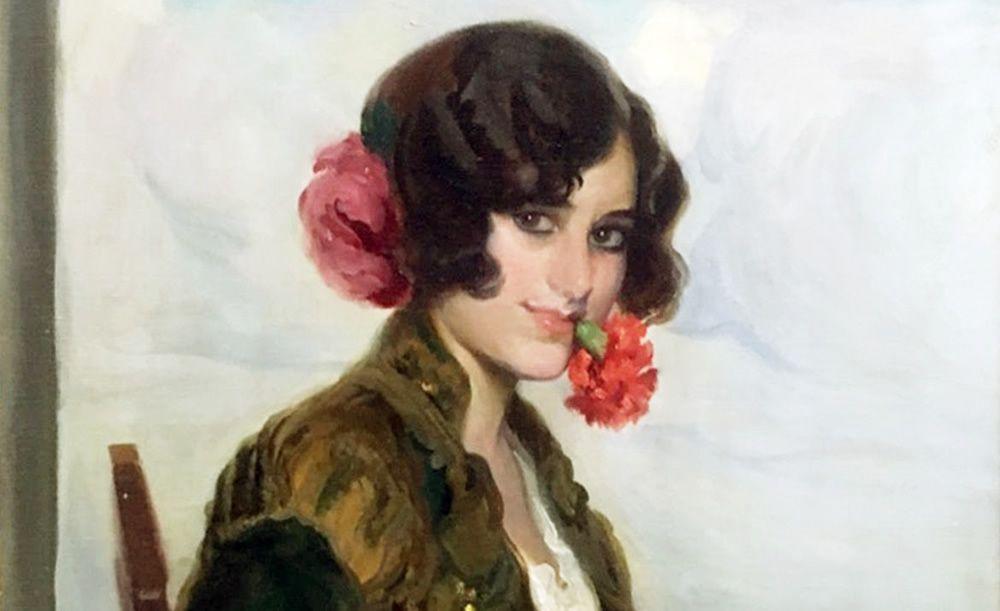
🌹 Carmen and the Royal Tobacco Factory
The former Royal Tobacco Factory, today part of the University of Seville, is the principal historic setting associated with Bizet’s Carmen.

In the opera, Carmen works as a cigar maker. The character was inspired by the real world of the women employed in Seville’s tobacco industry.
The factory was one of Europe’s largest industrial buildings and employed thousands of workers during its busiest periods.

The real cigar makers and the literary Carmen should not be confused. Carmen is fictional, but the social world that made her character imaginable genuinely existed here.
🪖 Puerta de la Carne and Don José
The Puerta de la Carne area is traditionally connected with the military setting of Carmen.
In the opera, Don José is a soldier whose encounter with Carmen leads him away from discipline, duty and the life he previously knew.
The neighbourhood stood close to the old city walls, military areas and the entrances leading towards the southern part of Seville.
It forms a natural connection between the Royal Tobacco Factory and the streets of Santa Cruz.
🏰 The Real Alcázar and Donizetti
The Real Alcázar provides the royal atmosphere associated with several operatic stories.

Gaetano Donizetti’s Maria Padilla is inspired by María de Padilla and her relationship with King Pedro I of Castile.
The palaces and gardens of the Alcázar help visitors imagine the world of medieval court politics, royal favour and forbidden love.
The Patio de Banderas and the surroundings of the royal palace are also associated with the romantic atmosphere evoked in La Favorite.
✂️ Figaro and The Barber of Seville
Figaro is one of the most famous comic characters in opera.
The clever barber appears in works inspired by the plays of Beaumarchais, most famously Rossini’s The Barber of Seville and Mozart’s The Marriage of Figaro.
In Rossini’s opera, Figaro helps Count Almaviva win the love of Rosina through disguises, music and a succession of comic tricks.
The surroundings of the Cathedral and Calle Santo Tomás are traditionally included in routes connected with Figaro and the operatic image of old Seville.
🌸 Rosina’s Balcony
In Plaza de Alfaro, beside the Jardines de Murillo, visitors can see the picturesque balcony popularly associated with Rosina.
Its Mudéjar-inspired appearance and romantic location make it one of the most charming stops on an opera route.
The balcony is a later cultural association rather than a documented historic home of the fictional character, but it expresses perfectly the popular imagination surrounding The Barber of Seville.
🎼 Operatic charm: places such as Rosina’s Balcony show how the city has gradually adopted its fictional characters and incorporated them into its own cultural identity.
🗡️ Don Juan and the Santa Cruz district
The legend of Don Juan is inseparable from Seville.
The character first appeared in Spanish Golden Age theatre and later inspired an extraordinary number of literary, theatrical and musical works.

Mozart’s Don Giovanni transformed the Sevillian seducer into one of opera’s most complex protagonists: charming, comic, cruel and ultimately confronted by supernatural justice.
Plaza de los Refinadores contains a monument to Don Juan, surrounded by the romantic streets of Santa Cruz.
🍷 Hostería del Laurel
The Hostería del Laurel, in Plaza de los Venerables, is traditionally linked with the world of Don Juan.

The association is particularly connected with José Zorrilla’s Don Juan Tenorio, a theatrical work rather than an opera, but fundamental to the development of the legend.
The tavern and surrounding square help recreate the nocturnal, romantic and adventurous atmosphere associated with the character.
🏘️ The house of Doña Ana Pantoja
Calle Rodrigo Caro is traditionally associated with the house of Doña Ana Pantoja, one of the characters in Zorrilla’s version of Don Juan.

The stop allows the guide to explain how literature, theatre and opera overlap in the construction of the Sevillian seducer.
🏛️ Palacio de Mañara
The Palacio de Mañara stands in the historic San Bartolomé district.

Miguel de Mañara was a real seventeenth-century Sevillian nobleman whose life later became associated, sometimes inaccurately, with the Don Juan tradition.
His story inspired musical and theatrical works, including operatic interpretations of Don Juan de Mañara.
The palace offers an excellent opportunity to distinguish the documented life of Mañara from the fictional legend of Don Juan.
❤️ Hospital de la Caridad
Miguel de Mañara played a decisive role in the history of the Hospital de la Caridad.

After a profound spiritual transformation, he dedicated himself to charitable work and to assisting the poor and abandoned.
His real biography is therefore very different from the simplistic image of an unrepentant seducer.
The Hospital de la Caridad also preserves an exceptional Baroque artistic programme, making it one of the richest cultural stops on an extended opera and Don Juan route.
🐂 The Maestranza and Carmen’s final scene
The Plaza de Toros de la Real Maestranza forms the dramatic setting for the final act of Bizet’s Carmen.

While the crowd celebrates inside the bullring, Carmen confronts Don José outside.
She refuses to return to him or surrender her freedom, and Don José kills her in the opera’s tragic conclusion.
The powerful contrast between celebration inside the arena and tragedy outside helps explain why the scene remains one of the most dramatic endings in opera.
🌹 The monument to Carmen
Near the Maestranza and the river stands a monument dedicated to Carmen.
Its position recalls the tobacco trade, the cigar makers and the international legend that connected the factory, the river and the bullring.
The monument demonstrates how completely Seville has adopted a fictional character who was originally created by a French writer and made immortal by a French composer.
🌉 Triana and The Force of Destiny
Triana and the old crossing of the Guadalquivir are associated with the setting of Verdi’s La forza del destino, or The Force of Destiny.

The opera was based on the Spanish drama Don Álvaro o la fuerza del sino by the Duke of Rivas.
Its story combines forbidden love, family honour, accidental death, pursuit and an apparently inescapable destiny.
The landscape around Triana and the river provides an evocative setting for discussing Romanticism and the European fascination with Spanish tragedy.
🔒 The Castle of San Jorge and Fidelio
Beneath the present Triana Market are the remains of the Castle of San Jorge, historically associated with the Tribunal of the Inquisition.

Beethoven’s only opera, Fidelio, is set in a Spanish prison near Seville.
The plot follows Leonore, who disguises herself as a man under the name Fidelio to rescue her husband Florestan from political imprisonment.
The opera is ultimately a celebration of marital love, courage, justice and liberation from tyranny.
🎼 A revealing contrast: while Carmen defends personal freedom against possession, Fidelio celebrates political and moral freedom against unjust imprisonment.
🗺️ Our private opera tour of Seville
Our private route can be adapted according to the available time, the mobility of the participants and their favourite composers.
🌹 Carmen: Tobacco Factory, Santa Cruz, Puerta de la Carne and the Maestranza.
✂️ The Barber of Seville: Figaro, Rosina and the romantic streets around Santa Cruz.
🗡️ Don Giovanni: Don Juan, Plaza de los Refinadores and the Hostería del Laurel.
👑 Donizetti: the Alcázar, royal intrigue and María de Padilla.
🔒 Fidelio: imprisonment, justice and the Castle of San Jorge.
🌉 The Force of Destiny: Triana, the river and Spanish Romanticism.
💃 Optional finale: complete the cultural day with a selected flamenco show.
⏱️ Suggested tour formats
🎼 Essential opera route
A compact private walk focusing on the Royal Tobacco Factory, Santa Cruz, Figaro, Don Juan and the principal Carmen settings.
🌹 Carmen in Seville
A thematic route devoted to the cigar makers, Mérimée, Bizet, Don José, Escamillo and the final scene beside the Maestranza.
🎭 Great operatic characters
A broader route following Carmen, Figaro, Rosina, Don Juan, Leonore and other figures connected with the city.
🏛️ Full cultural programme
A longer experience combining the outdoor route with the interior of a selected monument, subject to opening conditions and ticket availability.
💃 Opera and flamenco
A private afternoon route followed by free time for tapas or dinner and an evening flamenco show.
💃 Opera and flamenco: two international images of Seville
Opera and flamenco are very different artistic traditions.
Most of the famous operas set in Seville were composed outside Spain and reflect the European imagination of the city.
Flamenco, by contrast, is a living Andalusian art form rooted in singing, guitar, rhythm, dance and complex local traditions.
Experiencing both on the same day allows visitors to compare the imagined Seville of Romantic opera with an art that remains alive in the city today.
💃 Our recommendation: enjoy the private opera route in the late afternoon, pause for tapas and finish the day with a carefully selected flamenco performance.
👩🏫 Why choose a private opera tour?
🎼 Your favourite operas: focus on Carmen, Figaro, Don Juan, Fidelio or Verdi.
👥 Guide exclusively for your group: no unrelated participants.
🏙️ Historic context: distinguish the real city from its literary and operatic image.
❓ Time for questions: explore composers, librettos, characters and locations in greater depth.
🕰️ Flexible duration: adapt the route to your schedule and walking pace.
🎓 Specialist groups: suitable for music schools, conservatories, choirs and cultural associations.
💃 Optional experiences: combine the route with flamenco, a concert or another cultural visit.
🎼 Would you like a private opera tour?
Tell us your date, number of visitors, language, available time and favourite operas. We will create a route adapted to your group.
⭐ Why organise your opera route with VisitarSevilla.com?
📍 Local knowledge: we connect the operas with the real streets, monuments and history of Seville.
🎼 Specialist approach: routes adapted to music lovers, beginners and organised cultural groups.
⚖️ Careful interpretation: we distinguish historic evidence, popular tradition and fictional settings.
👩🏫 Private guides: selected according to the language and interests of the group.
🏛️ Flexible combinations: outdoor route, monument, flamenco show or other cultural experiences.
💬 Direct contact: speak with Ignacio before deciding on the itinerary.
❤️ Personal planning: we create a meaningful cultural route rather than a generic list of locations.
📖❓ Frequently asked questions about opera in Seville
Why is Seville so important in opera? ▼
Its history, architecture and romantic image inspired many writers, librettists and composers to use Seville as a setting for stories of love, freedom, jealousy, honour and adventure.
Is Seville the city with the most operas? ▼
Seville is frequently described as one of the most represented cities in opera. The exact ranking depends on how works and references are counted.
Which famous operas are set in Seville? ▼
They include Carmen, The Barber of Seville, Don Giovanni, Fidelio, The Force of Destiny and works associated with María de Padilla.
Are the locations historically authentic? ▼
Some are genuine historic settings, while others are later popular associations. The tour explains the difference between documented history and operatic tradition.
Can I book a tour focused only on Carmen? ▼
Yes. We organise private Carmen routes connecting the Tobacco Factory, Santa Cruz, Puerta de la Carne and the Maestranza.
Does the route include monument interiors? ▼
The standard route can be mainly outdoors. Interior visits can be added according to opening hours, duration and ticket availability.
How long does the private tour take? ▼
The duration can be adapted. A compact route may take around two hours, while a broader programme can require a half day.
Is the tour suitable for people who do not know opera? ▼
Yes. The guide introduces the plots, principal characters and composers in an accessible way.
Can it be adapted for musicians or opera experts? ▼
Yes. Tell us the interests and level of the group so that we can select the most appropriate guide and content.
Can we combine opera and flamenco? ▼
Yes. We can help structure a private opera route followed by a carefully selected flamenco performance.
Do you organise tours for music groups and conservatories? ▼
Yes. The programme can be adapted for conservatories, choirs, universities, associations and specialist cultural groups.
How can I ask Ignacio for advice? ▼
Write to info@visitarsevilla.com or contact us through WhatsApp, indicating your date, number of visitors, language and favourite operas.
🎼 Discover the great operas of Seville
Follow Carmen, Figaro, Rosina, Don Juan, Fidelio and the heroes of Verdi through the streets, palaces and neighbourhoods that transformed Seville into a universal operatic stage.
Contact us to organise a private route adapted to your interests, or combine the visit with a memorable flamenco performance.
💬 Ask Ignacio and the team on WhatsApp
✉️ info@visitarsevilla.com
📱 @visitarsevillacom
➡️ Flamenco shows and tickets in Seville
➡️ Private guided tours in Seville
➡️ Seville Bullfighting Culture Tour
Content prepared by VisitarSevilla.com, a local cultural tourism project active since 2014. Routes, monument access, opening conditions and cultural-show availability may vary according to the date and operational circumstances.


Leave a comment