

Last updated on July 30th, 2026
🚀 What to See in Seville: Monuments, Private Tours and Local Experiences
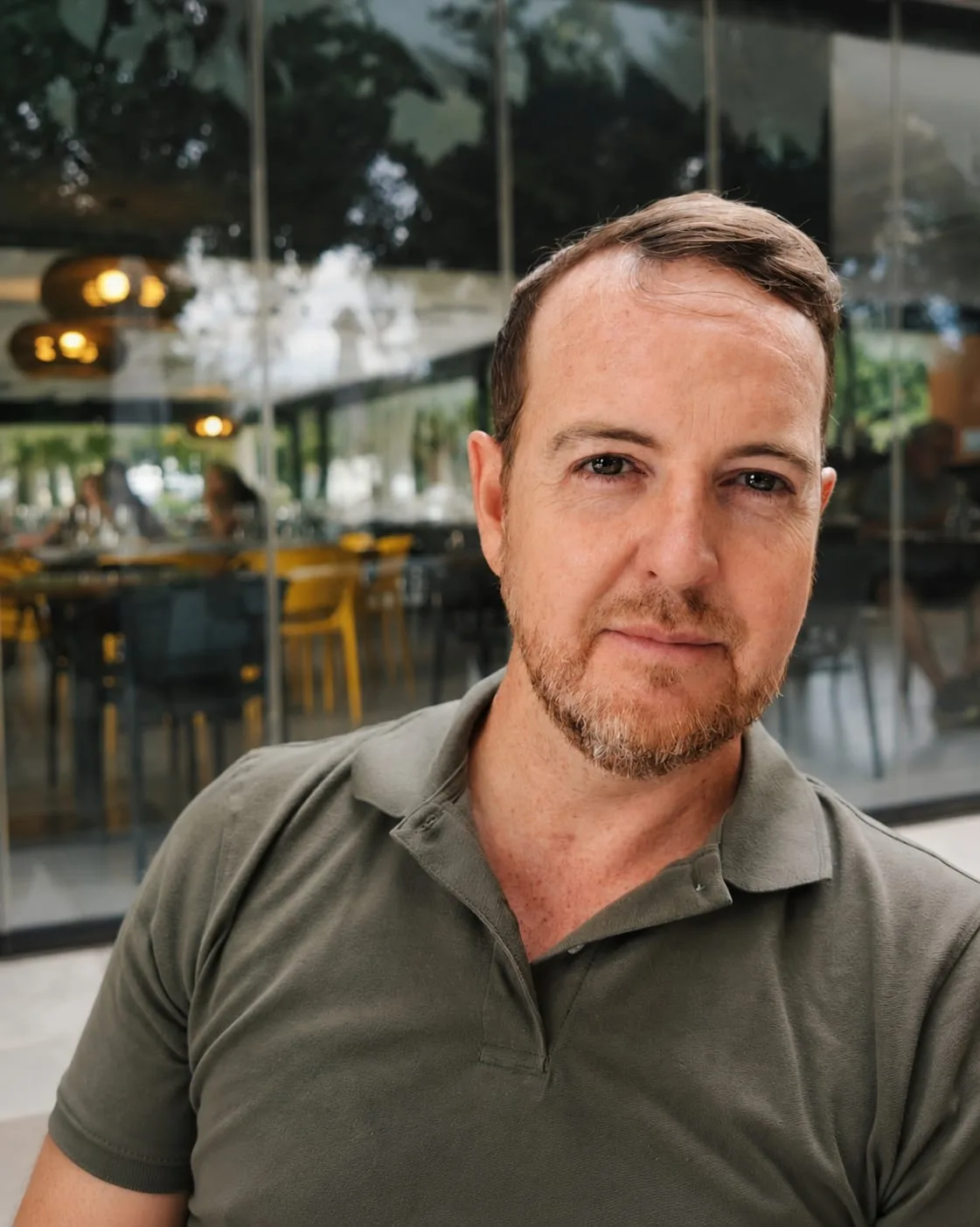
🙋 Ignacio, your contact in Seville
Private tours, specialist guides, family visits, thematic routes and personalised experiences.

⭐ How to organise your visit to Seville – Ignacio’s recommendations
👋 For a first visit, I recommend beginning with the Alcázar, Cathedral, Giralda and Santa Cruz. These monuments form the historic heart of the city and can be explored together in a private route.
🔐 Private guided tour of monumental Seville:
💬 Contact me
🇪🇸 Add Plaza de España and María Luisa Park to discover the architecture of Aníbal González and the great Ibero-American Exhibition of 1929.
🌉 Cross the river to Triana for ceramics, flamenco, religious traditions, tapas and views from Calle Betis.
🎨 If you enjoy art, include the Museum of Fine Arts, San Luis de los Franceses, the Hospital de la Caridad or one of Seville’s historic palace houses.
👨👩👧👦 Travelling with children? We can adapt the itinerary, reduce monument time and include parks, boats, legends, interactive explanations or a horse-drawn carriage.
🚗 With an additional day, consider Itálica, Carmona, Osuna, Doñana or another private excursion outside the city.
📍 Seville: the essentials
🏛️ What should you see first in Seville?
Seville is cheerful, sunny, romantic and filled with history, artistic heritage and living traditions.
The principal monuments are concentrated in a relatively small area and can be explored on foot, although careful planning is important because the Alcázar and Cathedral require time and advance ticket arrangements.
For most first-time visitors, the essential route includes the Alcázar, Cathedral, Giralda, Archivo de Indias, Santa Cruz, Royal Tobacco Factory and Plaza de España.

Once these principal places have been visited, the city offers many other possibilities: Triana, the river, palaces, convents, Baroque churches, contemporary architecture, flamenco, museums and less conventional neighbourhoods.
❤️ My view: do not try to enter every monument. A well-planned selection, with enough time to walk, eat and observe local life, usually creates a better experience than an exhausting list of visits.
👑 The Royal Alcázar of Seville
The Royal Alcázar is one of the most important monuments in Seville and an essential visit for understanding the different cultures that shaped the city.
It is not a single palace, but a complex of buildings, courtyards and gardens created and transformed over many centuries.

Islamic, Mudéjar, Gothic, Renaissance and Baroque elements coexist within the royal complex.
The Palace of King Pedro I, the Hall of Ambassadors, the courtyards and the extensive gardens are among its principal attractions.
It can be visited independently, but a guide is especially useful because of its long history, complex symbolism and many architectural transformations.
👑 Private Alcázar tours
We organise private visits to the Alcázar or complete routes combining the palace with the Cathedral and Santa Cruz.
➡️ Read our complete guide to the Royal Alcázar
⛪ Seville Cathedral and the Giralda
Seville Cathedral is one of the largest Christian temples in the world and contains an extraordinary collection of architecture, painting, sculpture and religious heritage.

The building was constructed on the site of the Almohad mosque, whose minaret survives as the lower section of the Giralda.
Inside are the great altarpiece, the tomb traditionally identified with Christopher Columbus, the choir, sacristies and numerous chapels.
The Giralda forms part of the cathedral visit. Its ramps lead to a viewpoint with outstanding views over the historic centre.
A specialist guide can explain the transition from mosque to cathedral and highlight the most important works without overwhelming the visitor.
➡️ Read our guide to Seville Cathedral
🌸 Santa Cruz and the old Jewish quarter
Santa Cruz is one of Seville’s most picturesque neighbourhoods and the natural continuation of a visit to the Alcázar and Cathedral.

Its narrow streets, small squares, patios and legends preserve the romantic image of old Seville.
The area was part of the historic Jewish quarter, although its present appearance also reflects later transformations and the romantic reinvention of the city.
Santa Cruz is associated with Don Juan, Rosina, Carmen, Murillo and many other literary or artistic figures.
A private walk helps distinguish documented history from the many popular legends attached to its streets.
➡️ Discover the Santa Cruz district
🇪🇸 Plaza de España and María Luisa Park
Plaza de España is one of Europe’s most spectacular architectural settings and the masterpiece of Aníbal González.

Built for the Ibero-American Exhibition of 1929, it combines brick, ceramics, ironwork, marble, a canal, bridges and benches representing the Spanish provinces.
The square should be combined with María Luisa Park, Plaza de América and the other surviving exhibition buildings.
Families can enjoy boats, gardens, fountains and open spaces, while architecture enthusiasts can explore the work of Aníbal González and Sevillian regionalism.
🏛️ Private guided route: Plaza de España, María Luisa Park and the Exhibition of 1929.
👨👩👧👦 Family visit: bridges, ducks, fountains, films and visual challenges.
🐴 Horse-drawn carriage: private route through the park and monumental area.
📸 Special experiences: photography, weddings, anniversaries and proposals.
➡️ Read our complete Plaza de España guide
🗄️ The Archivo de Indias
The Archivo General de Indias stands between the Cathedral and the Alcázar and preserves an extraordinary documentary legacy connected with Spain’s administration of its American territories.
The historic building was originally created as the merchants’ exchange and later adapted to house the archive.
Temporary exhibitions and accessible areas allow visitors to understand the global role played by Seville after the voyages to the Americas.
The monument can also be incorporated into specialist routes dedicated to trade, exploration, cartography, law or the relationship between Seville and the Americas.
🏭 The Royal Tobacco Factory
The former Royal Tobacco Factory, today part of the University of Seville, was one of the great industrial buildings of eighteenth-century Europe.
Thousands of workers, including the famous cigar makers, were employed within this vast complex.
The factory later became internationally famous as the principal setting associated with the fictional character Carmen.
It can be incorporated into a private route dedicated to the opera, the cigar makers, industrial Seville or the international myths created around the city.
🌊 Torre del Oro and the Guadalquivir River
The Torre del Oro is one of the most recognisable historic landmarks beside the Guadalquivir.

The tower formed part of the medieval defensive system protecting the river and access to the city.
Today, it contains a small naval museum and offers an attractive viewpoint.
The riverside walk towards San Telmo, Triana Bridge or the Maestranza is one of the most pleasant routes in central Seville.
Panoramic cruises also depart from the surrounding river area.
➡️ Read our Torre del Oro guide
🌉 Triana
Triana is one of Seville’s most distinctive neighbourhoods, closely associated with ceramics, flamenco, sailors, religious brotherhoods and popular traditions.

Cross the Isabel II Bridge and begin in Plaza del Altozano, close to Triana Market and the archaeological remains of the Castle of San Jorge.
Calle Pureza contains some of the neighbourhood’s great centres of devotion, while Calle Betis offers terraces and views across the river.
Triana can be explored through general cultural routes or specialist visits dedicated to flamenco, ceramics, Holy Week or the history of the Inquisition.
🏰 Seville’s palace houses
The historic palace houses are one of the most distinctive features of Seville.

These residences were created for aristocratic families, merchants and important figures in the social history of the city.
Their courtyards, gardens, tilework, sculptures, paintings and private collections provide a more intimate alternative to the great royal monuments.
🏛️ Casa de Pilatos
Casa de Pilatos combines Mudéjar, Gothic and Renaissance architecture and contains one of the city’s most impressive palace courtyards.

🌿 Palacio de las Dueñas
Dueñas is associated with the House of Alba, the birth of Antonio Machado and the social history of aristocratic Seville.
🏺 Palacio de la Condesa de Lebrija
The Lebrija Palace is particularly famous for its Roman mosaics, archaeological collections and richly decorated interiors.
💎 Casa de Salinas
Casa de Salinas offers a smaller and more intimate palace experience close to the monumental centre.
🍄 Las Setas de Sevilla
Metropol Parasol, popularly known as Las Setas, is one of the principal examples of contemporary architecture in Seville.

The structure transformed the Plaza de la Encarnación and created a new viewpoint, public space, market and cultural area.
The elevated walkway provides panoramic views over the roofs, churches and towers of the historic centre.
Beneath the structure, the Antiquarium preserves important Roman archaeological remains.
➡️ Read our guide to Las Setas
🏺 La Cartuja
La Cartuja offers one of the most unusual combinations of history in Seville.

The Monastery of Santa María de las Cuevas was later transformed into a ceramics factory and became part of the area developed for Expo 92.
Today, it houses the Andalusian Centre for Contemporary Art and preserves architectural remains from its monastic and industrial past.
The wider island also contains buildings associated with Expo 92, cultural venues and scientific or technological institutions.
🎨 Museum of Fine Arts
The Museum of Fine Arts is essential for visitors interested in Murillo, Zurbarán, Valdés Leal and the great Sevillian school of painting.

The museum occupies a former convent and combines major works of art with attractive courtyards, cloisters and fountains.
Its collection extends from medieval and Renaissance art to Baroque painting, Romanticism, Andalusian genre scenes and twentieth-century Spanish art.
We organise private museum visits with art historians, as well as family tours with explanations adapted for children.
➡️ Read our complete Museum of Fine Arts guide
⚜️ Churches and convents
Seville contains an exceptional number of historic churches, convents and religious institutions.

Among the most interesting are El Salvador, La Magdalena, San Luis de los Franceses, Santa Catalina, San Lorenzo, Santa Paula and the Hospital de la Caridad.
These monuments preserve outstanding works of Baroque architecture, painting and sculpture and remain closely connected with the living religious traditions of the city.
San Luis de los Franceses is especially notable for its main church, Domestic Chapel and crypt.
Some convents continue to sell traditional sweets prepared by the religious communities.
⚜️ Private religious-art and Baroque tours
We can create a route through churches, convents, religious art, Marian devotion or the great works of Sevillian Baroque.
🏺 Roman Itálica
The Roman city of Itálica lies in Santiponce, a short distance from central Seville.

It was an important Roman settlement and is associated with the emperors Trajan and Hadrian.
Visitors can explore the amphitheatre, streets, houses and mosaics preserved in the archaeological area.
The amphitheatre also became internationally known as a filming location for Game of Thrones.
We organise private archaeological visits with specialist guides and can combine Itálica with Santiponce, San Isidoro del Campo or lunch in a traditional local restaurant.
➡️ Read our guide to Roman Itálica
👻 Legends, mysteries and haunted Seville
Seville has accumulated centuries of legends, supernatural stories, haunted houses, apparitions and unexplained events.

Some are based on documented historical events, while others have been transformed through oral tradition, Romantic literature and local imagination.
Night-time routes can include stories of ghosts, convents, noble houses, executions, epidemics and mysterious events in the historic centre.
We can organise a private legends route for adults, families or groups seeking a more atmospheric vision of Seville.
📖 Cultural and thematic routes
Seville offers an extraordinary range of possible cultural routes beyond the standard monumental circuit.

🎼 Opera in Seville: Carmen, Figaro, Don Juan, Fidelio and Verdi.
📖 Literary Seville: Bécquer, Machado, Cervantes and the Generation of 1927.
✡️ Jewish Seville: Santa Cruz, San Bartolomé and Sephardic history.
☪️ Islamic Seville: the Almohad city, minarets, walls and gardens.
⚜️ Baroque Seville: churches, palaces, Murillo, Zurbarán and Valdés Leal.
🇪🇸 Seville 1929: Aníbal González, Plaza de España and the exhibition pavilions.
✝️ Religious routes: Holy Week, Marian devotion, saints and historic brotherhoods.
🏺 Roman Seville: Hispalis, the Antiquarium and Itálica.
Tell us your interests and we will create a completely private itinerary with the most suitable guide.
🏘️ Beautiful towns near Seville
The province of Seville contains historic towns, archaeological sites, natural areas and landscapes that deserve their own day trips.

🏰 Carmona
Carmona preserves Roman remains, medieval gates, churches, palaces and spectacular views over the surrounding countryside.
🏛️ Osuna
Osuna is known for its Collegiate Church, university, noble architecture, Baroque art and nearby Coto de las Canteras.
⛪ Écija
Écija contains an exceptional concentration of Baroque towers, palaces and religious art.
🌳 Sierra Norte
The Sierra Norte offers natural landscapes, historic villages, hiking routes and traditional gastronomy.
Private excursions can include transport, specialist guide, monument visits and lunch recommendations.
🦌 Doñana National Park
Doñana is one of Europe’s most important natural areas, combining marshes, dunes, beaches, pine forests and exceptional birdlife.

The area is associated with many species, including migratory birds and the Iberian lynx.
Excursions from Seville often combine a natural route with the village of El Rocío.
Organised four-wheel-drive visits are usually the most practical way to access selected areas of the park.
➡️ Discover Doñana from Seville
💃 Flamenco in Seville
Seville is one of the great international centres of flamenco.

The city offers traditional tablaos, small cultural venues, large theatrical shows and specialised performances.
The best choice depends on whether you prefer an intimate atmosphere, famous artists, dinner, drinks or a central location.
💃 Flamenco shows in Seville
Compare different performances, times and available tickets.
We can also help combine a flamenco show with a private cultural visit, tapas route or special evening experience.
🐂 Bullfighting culture and the Maestranza
The Plaza de Toros de la Real Maestranza is one of the most important bullrings in Spain.

The building, museum and artistic collections help explain the history, rituals and cultural significance of bullfighting in Seville.
A guided tour is recommended for visitors who want to understand the architecture and traditions without attending a live event.
Private routes can also explore bullfighting art, literature, historic taverns and monuments connected with famous figures.
➡️ Guided tours of the Maestranza
🐴 Horse-drawn carriage experiences
A horse-drawn carriage is one of the most traditional and comfortable ways to see Seville.

The classic route normally includes Plaza de España, María Luisa Park, the Royal Tobacco Factory, San Telmo and areas around the Cathedral or river.
It is suitable for families, couples, visitors with reduced walking capacity and people seeking a special experience.
We can organise private carriages, personalised collection points and combinations with a guide, photographer or romantic surprise.
🐴 Private carriage in Seville
Tell us the date, number of passengers and whether you would like a guide, photographer or special arrangement.
🛥️ Guadalquivir river cruises
A panoramic river cruise offers a relaxed view of Seville from the Guadalquivir.

The route allows visitors to see Triana, the Torre del Oro, bridges, pavilions and the modern riverfront from a different perspective.
The experience is particularly pleasant in warm weather and can be combined with a riverside walk, Triana visit or sunset plan.
✝️ Holy Week in Seville
Holy Week is one of the most important religious, artistic and social events in Seville.

The processions bring together historic sculptures, embroidered textiles, music, devotion and complex brotherhood traditions.
The experience requires planning because the streets, transport systems and monument schedules change considerably.
We organise private Holy Week routes throughout the year, explaining the principal images, churches, brotherhoods and artistic traditions.
➡️ Practical advice for Holy Week in Seville
🎡 The Seville Fair
The Feria de Abril transforms the Los Remedios fairground into a temporary city of decorated casetas, horses, flamenco dresses, music and social gatherings.

Most casetas are private, although public options, fairground rides and the general atmosphere remain available to visitors.
Horse-drawn carriages, traditional dress and daytime social life are among the most characteristic elements.
We can help with cultural routes, flamenco fashion, horse-carriage arrangements and private experiences associated with the fair.
☀️ Seville in summer
Summer temperatures in Seville can be intense, but the city remains enjoyable with careful organisation.

Plan outdoor visits early in the morning or later in the afternoon, and use the central hours for museums, palaces, churches, lunch or rest.
The Museum of Fine Arts, San Luis de los Franceses, Cathedral and palace houses are good cultural options during the hottest hours.
Evening concerts, cultural programmes and nightlife create a different rhythm from the rest of the year.
☀️ Summer advice: do not plan a continuous outdoor route between 2:00 pm and 6:00 pm. Divide the day into a morning visit, a long lunch or rest and an evening experience.
👨👩👧👦 Seville with children
Seville is a good family destination when the itinerary is adapted to children rather than simply reproducing an adult cultural programme.
👑 Alcázar: palaces, fountains, gardens and stories of kings.
🇪🇸 Plaza de España: bridges, boats, maps and film locations.
🌿 María Luisa Park: ducks, ponds, fountains and open spaces.
🏺 Itálica: amphitheatre, Roman houses and archaeological discovery.
🐴 Horse-drawn carriage: entertaining and comfortable for different ages.
👻 Legends route: mysteries and stories adapted for older children and teenagers.
We can provide guides experienced in working with families and adapt the route to the children’s ages, interests and attention span.
🍤 Tapas in Seville
Tapas form an essential part of the culinary and social culture of Seville.

A tapa is a small individual dish ordered separately. Unlike in some Spanish cities, food is not normally provided free with the drink.
Menus usually distinguish between tapas, half portions and full portions, allowing visitors to try several dishes.
Common options include tortilla, croquettes, montaditos, spinach with chickpeas, fried fish, cod, grilled squid, sirloin with sauces and seasonal snails.

Popular tapas areas include the Arenal, Alameda, Calle Feria, Triana, Plaza de la Gavidia, Alfalfa and the streets around the principal monuments.
We can incorporate tapas into a private cultural route or create a dedicated gastronomic experience with a local guide.
💡 Local advice from Seville
🏨 Hotel Alfonso XIII: enter its public areas or enjoy a drink on the terrace when accessible.
🍷 Historic bars: combine famous establishments with less obvious neighbourhood taverns.
🌇 Rooftops: enjoy views towards the Cathedral and Giralda shortly before sunset.
🌊 The river: walk between the Torre del Oro, San Telmo, Triana Bridge and Calle Betis.
🍟 Local snacks: try freshly fried potato crisps or chicharrones from a traditional shop.
🕰️ Do not rush: Seville is best enjoyed by combining major monuments with neighbourhood life and time at the table.

🗓️ Suggested itineraries
1️⃣ One day in Seville
Visit the Alcázar, Cathedral and Santa Cruz, followed by Plaza de España or a walk beside the river.
2️⃣ Two days in Seville
Add Plaza de España, María Luisa Park, Triana and a flamenco performance.
3️⃣ Three days in Seville
Include the Museum of Fine Arts, a palace house, San Luis de los Franceses or another thematic route.
4️⃣ Four or more days
Add Itálica, Carmona, Osuna, Doñana or another private excursion outside the city.
🗓️ Personal planning: send us the dates, hotel area, ages and principal interests, and we can help decide which visits work well together.
🔐 Private tours and tailor-made experiences
A private tour allows you to discover Seville with a guide dedicated exclusively to your group.
👩🏫 Specialist guide: selected according to the subject and language.
👥 Only your group: no unrelated participants.
🕰️ Flexible pace: adapt the route to mobility, children and available time.
🎨 Personal interests: art, history, religion, architecture, literature or gastronomy.
🏛️ Monument combinations: create a coherent programme without unnecessary travel.
❤️ Special occasions: anniversaries, proposals, family reunions and private celebrations.
🙋 Ignacio, your local contact in Seville
Tell me your date, number of visitors, language, ages and interests. We will propose a private tour or experience adapted to your plans.
💬 Contact Ignacio on WhatsApp
✉️ info@visitarsevilla.com
📱 @visitarsevillacom
📖❓ Frequently asked questions about visiting Seville
What should I see on my first visit to Seville? ▼
The Alcázar, Cathedral, Giralda, Santa Cruz and Plaza de España form the essential first itinerary.
How many days do I need in Seville? ▼
Two or three days allow visitors to see the principal monuments and neighbourhoods. Four or more days make it possible to add museums, thematic routes and excursions.
Can I explore Seville on foot? ▼
Yes. Most principal monuments are within walking distance, although taxis, trams or private transport can be useful for particular routes.
Should I book the Alcázar and Cathedral in advance? ▼
Advance booking is strongly recommended, especially during weekends, holidays and the busiest travel months.
Can I book a private guide? ▼
Yes. We organise private visits with specialist guides in different languages and adapted to your group.
Do you organise family tours? ▼
Yes. We can provide guides experienced with children and adapt the duration, explanations and route to their ages.
Can you create a thematic route? ▼
Yes. Possible themes include opera, Jewish history, Islamic Seville, Roman heritage, Baroque art, literature, Holy Week and the Exhibition of 1929.
Can you arrange a horse-drawn carriage? ▼
Yes. We can help organise a private carriage and combine it with a guide, photographer or special experience.
Do you help with marriage proposals or anniversaries? ▼
Yes. We can help select the setting and coordinate a photographer, carriage, private route or other appropriate details.
Is Seville suitable for children? ▼
Yes. Plaza de España, María Luisa Park, the Alcázar gardens, Itálica, carriages and river experiences work particularly well for families.
What can I visit outside Seville? ▼
Itálica, Carmona, Osuna, Écija, Doñana and the Sierra Norte are among the most interesting possibilities.
How can Ignacio help me? ▼
Ignacio can help you choose the route, organise a private guide, combine monuments and arrange additional experiences according to your dates and interests.
How can I contact VisitarSevilla.com? ▼
Write to info@visitarsevilla.com or contact Ignacio through WhatsApp, indicating your date, number of travellers, language and interests.
❤️ Let us help you discover Seville
Seville offers royal palaces, Gothic architecture, Roman ruins, Baroque art, flamenco, literature, riverside neighbourhoods and living popular traditions.
Ignacio is your local contact for private tours, specialist guides, family visits, horse-drawn carriages, thematic routes and tailor-made experiences.
💬 Ask Ignacio and the team on WhatsApp
✉️ info@visitarsevilla.com
📱 @visitarsevillacom
➡️ Private guided tours in Seville
➡️ Seville Cathedral and Giralda
Content prepared by VisitarSevilla.com, a local cultural tourism project active since 2014. Monument opening hours, ticket conditions, guided-tour availability, carriage routes, shows and special experiences may vary according to the date and operational circumstances.


Leave a comment