

Last updated on July 30th, 2026
🦩 Doñana National Park from Seville: Tours, Wildlife and Private Visits
🌿 Ignacio’s recommendations for visiting Doñana
Choose between an organised excursion from Seville, a private wildlife experience, horse riding or a tailor-made route through Doñana and El Rocío.
🚐 Recommended group tour from Seville:
Check prices, schedules and availability
🦌 Compare Doñana tours and private experiences:
See all available Doñana experiences
🐎 Horse riding and countryside experiences:
Contact us so that we can study the most suitable option according to your date, experience and group profile.
🔐 Private Doñana visit:
Contact Ignacio on WhatsApp

📍 Doñana National Park: key information
❤️ My view: Doñana is one of the great natural landscapes of Spain. Its beauty is not based on a single spectacular viewpoint, but on the immensity of the marshes, the changing light, the silence, the birds and the transition between water, forest, pasture and dunes.
🌟 Why visit Doñana from Seville?
Seville is famous for its palaces, churches, gardens and historic neighbourhoods, but a trip to Doñana reveals a very different side of Andalusia.
Within a day, visitors can leave the monumental city and enter an immense natural environment shaped by the Guadalquivir River, the Atlantic Ocean, seasonal flooding and centuries of interaction between wildlife and traditional rural culture.
Doñana is particularly valuable because several ecosystems coexist within the same protected landscape. The scenery changes from wetlands and lagoons to forests, Mediterranean scrub, dunes and open countryside.
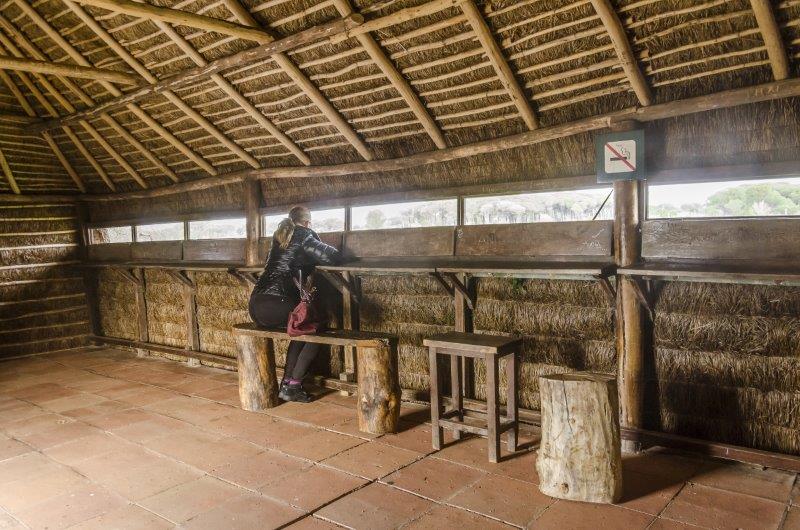
This variety attracts an extraordinary range of animals, especially birds. It also creates very different experiences depending on the season, rainfall, migration periods and time of day.
🦩 For wildlife: observe birds, deer and other native species in their natural habitat.
📷 For photography: enjoy changing landscapes, distant horizons and beautiful natural light.
👨👩👧👦 For families: combine adventure, animals, open landscapes and cultural discovery.
🚙 For an easy day trip: join an organised excursion with transport from Seville.
🔐 For a deeper experience: book a private or specialist nature tour.
🚐 Recommended group tour from Seville
For most first-time visitors, the easiest way to discover Doñana is to join an organised tour departing from Seville.
A group excursion avoids the need to plan rural transport, identify access points or decide which area of the natural space to visit.
Depending on the selected itinerary, the experience may include transport from Seville, explanations from a nature guide, wildlife observation, routes through different landscapes and a visit to El Rocío.
🚐 Departure from Seville: transport arrangements according to the selected tour.
👩🏫 Expert explanations: understand the ecosystems, wildlife and conservation challenges.
🦌 Wildlife observation: look for deer, waterbirds, flamingos and birds of prey.
🌿 Different landscapes: marshes, forests, scrubland and open countryside.
⛪ El Rocío: some itineraries include this famous pilgrimage village.
🚐 Doñana National Park tour from Seville
A practical option for visitors who want transport, a guide and an organised introduction to the landscapes and wildlife of Doñana.
🔎 Compare Doñana tours and experiences
There is no single way to visit Doñana. Experiences vary according to the access area, duration, transport, group size and main focus of the excursion.
Some tours are designed as general introductions, while others focus more strongly on birdwatching, photography, private transport, horse riding or the cultural landscapes around El Rocío.
🦌 Compare Doñana tours
Review available group excursions, private tours, nature activities and specialist experiences before choosing.
🔎 Before booking: check the departure point, transport, language, group size, duration, included activities and the area of Doñana visited. The natural space is extensive and different excursions may follow very different routes.
🔐 Private Doñana tours
A private tour is ideal for travellers who want greater flexibility, a quieter experience or specialist attention.
It can be adapted to couples, families, photographers, birdwatchers, senior travellers or small groups with a serious interest in nature.
👩🏫 Guide exclusively for your party: no unrelated participants.
🕰️ Flexible pace: adapted to your interests and group profile.
🦅 Birdwatching focus: more time for observation and interpretation.
📷 Photography: organise the visit around landscapes, wildlife and suitable light.
👨👩👧👦 Family programme: explanations and stops adapted to children or teenagers.
⛪ El Rocío: possibility of adding a cultural visit according to the itinerary.
🚐 Transport: arrangements depend on the departure point and programme.
❓ Would you like a private Doñana visit?
Tell us your date, number of visitors, departure point and main interests: wildlife, photography, birds, horses, El Rocío or a complete nature experience.
🌊 The marshes of Doñana
The marshes are the most characteristic landscape of Doñana and one of the main reasons for its international ecological importance.
Their appearance changes dramatically throughout the year. Water levels depend on seasonal rainfall, river dynamics and natural cycles.

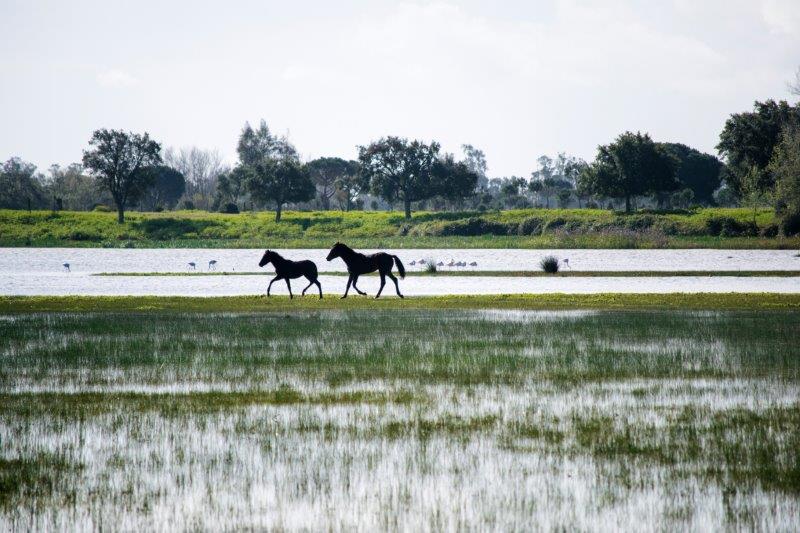
When the marshes hold water, they become an immense feeding and resting area for aquatic birds. During drier periods, the exposed landscape creates a very different but equally fascinating environment.
The flat horizon and open sky produce exceptional light, especially during the early morning and late afternoon.
🌊 Important: Doñana is a living wetland, not a fixed landscape. The amount of visible water and the concentration of wildlife vary according to season and environmental conditions.
🌳 Mediterranean forest and scrubland
Doñana is much more than marshland. Large areas are covered by Mediterranean forest, pinewoods and scrub adapted to sandy soils and dry summers.
These areas provide shelter for mammals, reptiles, smaller birds and birds of prey.

A guided route helps visitors recognise how the vegetation changes according to moisture, soil and distance from the marshes or coast.
The contrast between open wetland and enclosed forest is one of the great surprises of the visit.
🌾 The dehesa landscape
The surroundings of Doñana also include traditional dehesa countryside, one of the most characteristic cultural landscapes of southwestern Spain.
The dehesa is an open wooded environment shaped by the coexistence of trees, pasture, livestock and traditional rural management.
It is not an untouched wilderness, but a landscape formed by a long relationship between people, animals and the Mediterranean environment.
🌳 Open woodland: scattered trees allow pasture and sunlight to reach the ground.
🐂 Traditional livestock: horses, cattle and other animals form part of the rural landscape.
🦅 Wildlife habitat: the open terrain is useful for observing birds and mammals.
🌿 Cultural landscape: a connection between conservation and traditional land use.
🏜️ Dunes and Atlantic landscape
The coastal sector of Doñana contains extensive dunes, sandy landscapes and Atlantic beaches.
Some dunes move gradually under the action of wind, creating a landscape that is constantly changing.

The relationship between the ocean, dunes, pinewoods and marshes helps explain the extraordinary ecological diversity of the protected area.
Not every excursion reaches the coastal sector, so check the exact route when comparing tours.
🦩 Birds of Doñana
Doñana is internationally famous for its birdlife and its importance on migration routes between Europe and Africa.
The wetlands, forests, lagoons and open countryside provide feeding, breeding and resting areas for a remarkable variety of species.

🦩 Flamingos: among the most recognisable birds associated with the wetlands.
🦆 Waterfowl: ducks, geese and other aquatic birds use the marshes and lagoons.
🪶 Waders: many species feed in shallow water and muddy areas.
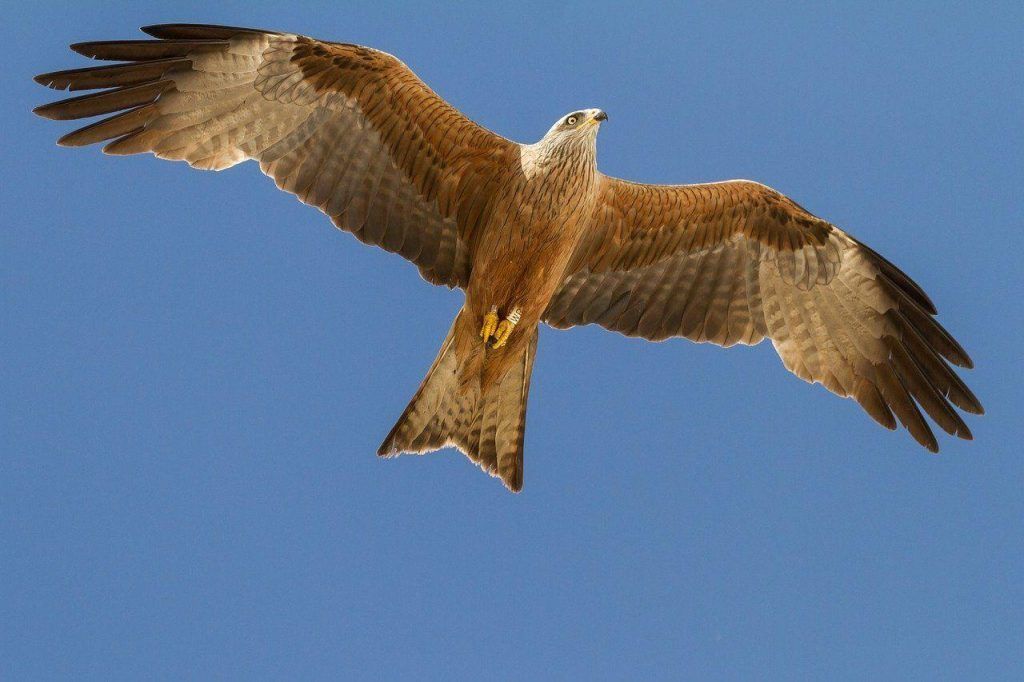
🦅 Birds of prey: eagles, kites, vultures and other raptors may be observed.
🌍 Migratory birds: species change throughout the year as migration cycles progress.
Taking binoculars considerably improves the experience. A guide can also help identify species that would otherwise be difficult to distinguish.
🦌 Mammals and other wildlife
Doñana is home to a varied community of mammals, reptiles, amphibians and freshwater species.
Deer and wild boar are among the mammals visitors have a realistic possibility of observing, although all sightings depend on natural behaviour and conditions on the day.
Smaller animals may be less visible, but their tracks, feeding areas and habitats form part of the interpretation offered by specialist guides.
🐾 Wildlife is not guaranteed: Doñana is not a zoo or controlled wildlife park. Animals move freely, and sightings depend on season, weather, water, time and chance.
🐈 The Iberian lynx
The Iberian lynx is the most emblematic mammal associated with Doñana and one of the great symbols of nature conservation in Spain.

Conservation programmes have worked to improve its populations, habitat and connectivity with other territories.
Seeing a wild lynx remains exceptional. Visitors should not book a general excursion expecting a guaranteed sighting.
Even without seeing the animal, learning about its habitat, prey, conservation and ecological importance is one of the most interesting aspects of a specialist visit.
🚙 Exploring Doñana by 4×4
A 4×4 vehicle is one of the characteristic ways to explore parts of Doñana and its surroundings.
The vehicle makes it possible to cover more distance and observe transitions between different habitats while reducing long walks across difficult natural terrain.
🌿 Multiple ecosystems: cover different landscapes within the same excursion.
👀 Observation: use elevated or open views to search for animals.
👩🏫 Interpretation: receive explanations about habitats, species and conservation.
👨👩👧👦 Family-friendly: a practical option for groups with different ages and walking abilities.
Vehicle type, route, comfort level and access conditions vary according to the operator and chosen experience.
🐎 Horse riding around Doñana
Horses form an essential part of the landscape and culture of Doñana and El Rocío.
A horse ride through pine forests, sandy tracks, countryside or coastal areas can be one of the most memorable ways to experience the region.
🐎 Beginner riders: choose an activity specifically designed for people without previous experience.
🏇 Experienced riders: ask about routes adapted to your ability.
👨👩👧👦 Families: check minimum age, height and supervision conditions.
🪖 Safety: follow the instructions and equipment requirements of the riding centre.
🌡️ Weather: riding conditions may change during periods of extreme heat, rain or wind.
🐎 Ask us about horse riding near Doñana
Tell us your preferred date, number of riders, ages and level of experience so that we can study a suitable option.
⛪ El Rocío
Many excursions to Doñana include a stop in El Rocío, one of Andalusia’s most distinctive villages.
Its sandy streets, white buildings, horse culture and famous sanctuary create an atmosphere that is very different from conventional towns.
The village is internationally known for the pilgrimage associated with the Virgin of El Rocío, but its relationship with Doñana, horses, marshlands and traditional rural life is equally important.
El Rocío can add a cultural and spiritual dimension to a nature excursion, especially for visitors interested in Andalusian traditions.
⛪ Cultural recommendation: do not see El Rocío only as an additional photo stop. Its devotion, equestrian culture, architecture and relationship with the marshes deserve proper explanation.
👨👩👧👦 Visiting Doñana with children
Doñana is one of the most rewarding excursions from Seville for families.
Children and teenagers can observe animals, learn to use binoculars, recognise tracks and understand the relationship between water, plants and wildlife.
🦩 Wildlife: birds and mammals create a clear focus for the excursion.
🚙 Vehicle routes: reduce the need for long walks.
🌿 Environmental education: learn about wetlands, migration and conservation.
⛪ El Rocío: add horses, sandy streets and local traditions.
📷 Photography: encourage children to identify landscapes and species.
Families should check the total duration, vehicle type, rest stops, food arrangements and age recommendations before booking.
📷 Nature photography in Doñana
Doñana is a magnificent destination for landscape and wildlife photography.
The open horizons, reflections in shallow water, changing colours of the marshes and large groups of birds create excellent visual opportunities.
🌅 Light: early morning and late afternoon are usually most attractive.
🔭 Distance: animals may be far away, so appropriate lenses or binoculars are useful.
🤫 Silence: reduce noise and sudden movement around wildlife.
🚫 Do not approach animals: respect safety distances and guide instructions.
🔐 Private photography tours: request an itinerary adapted to light, pace and specialist interests.
🌦️ When is the best time to visit Doñana?
Doñana can be visited throughout the year, but the landscape and wildlife change considerably with the seasons.
🌸 Spring: active wildlife, vegetation and generally pleasant temperatures.
☀️ Summer: dry landscapes, high temperatures and the need for sun protection.
🍂 Autumn: changing weather, migration activity and softer light.
🌧️ Winter: potentially important wetland conditions and large numbers of waterbirds, depending on rainfall.
There is no universally perfect month. The best time depends on whether your priority is waterbirds, landscape photography, comfortable temperatures, horses or a general introduction.
🎒 What to bring
🔭 Binoculars: one of the most useful items for bird and wildlife observation.
📷 Camera: landscapes and animals may be distant.
👟 Comfortable footwear: suitable for sand, tracks or uneven terrain.
🧢 Sun protection: hat, sunglasses and sunscreen are important.
💧 Water: especially during warm weather.
🧥 Extra layer: mornings, evenings and open vehicles can feel cool.
🤫 Respectful attitude: remain quiet and follow the guide’s conservation instructions.
♿ Accessibility and mobility
The natural terrain of Doñana may present difficulties for visitors with limited mobility.
Vehicle-based excursions can make certain areas easier to experience, but the height of the vehicle, boarding steps, seat configuration and accessibility of stops vary considerably.
Visitors with wheelchairs, walking aids or mobility concerns should contact the operator before booking and describe their requirements clearly.
♿ Personal planning: contact us with the number of visitors, type of mobility aid and transfer requirements so that we can study a realistic private option.
🦋 Responsible tourism in Doñana
Doñana is an extremely valuable and sensitive natural area. Tourism must be organised with respect for wildlife, habitats and local regulations.
🚫 Do not leave marked or authorised routes.
🤫 Avoid unnecessary noise near animals.
🗑️ Take all waste away with you.
🐾 Never feed or approach wildlife.
📷 Do not disturb animals for a photograph.
👩🏫 Follow the instructions of guides and conservation staff.
Well-managed ecotourism can support environmental awareness and local communities, but only when the protection of the natural space remains the priority.
🤔 Which Doñana experience should you choose?
🚐 First visit and easy organisation: choose the recommended group tour from Seville.
🔎 More choice: compare all available Doñana tours and activities.
🔐 Personal attention: request a private nature tour.
🦅 Birdwatching: choose a specialist small-group or private guide.
📷 Photography: select a flexible private experience.
🐎 Active countryside experience: ask about horse riding.
👨👩👧👦 Families: choose a vehicle-based tour with manageable duration.
⛪ Nature and culture: combine Doñana with El Rocío.
⭐ Why organise your experience with VisitarSevilla.com?
📍 Local contact: direct advice before choosing your excursion.
🚐 Group tours: practical organised experiences departing from Seville.
🔐 Private visits: tailor-made options for couples, families and small groups.
🦅 Special interests: wildlife, birdwatching, photography, horses or local culture.
⛪ Combined routes: Doñana, El Rocío and other nearby landscapes.
👨👩👧👦 Adapted planning: realistic programmes according to ages, mobility and available time.
💬 Direct communication: speak with Ignacio about your preferred experience.
❤️ Honest orientation: we help you distinguish between a general group tour and a more specialist private visit.
🌿 Let us help you visit Doñana
Tell us your date, number of visitors and whether you prefer a group excursion, private wildlife tour, horse ride or a combined route with El Rocío.
📖❓ Frequently asked questions about visiting Doñana from Seville
Is Doñana worth visiting from Seville? ▼
Yes. It is one of the finest nature excursions from Seville and offers marshes, forests, dunes, birds, mammals and traditional landscapes.
What is the easiest way to visit Doñana from Seville? ▼
The easiest option is an organised group tour that includes transport from Seville and a guided route through part of the natural area.
Where can I book the recommended group tour? ▼
You can see the recommended Doñana excursion from Seville and check its current conditions.
Can I compare several Doñana tours? ▼
Yes. Use the Doñana tour comparison page to review group, private and specialist experiences.
Can I book a private Doñana tour? ▼
Yes. Private experiences can be arranged according to date, group size, transport and interests such as birds, photography, wildlife or El Rocío.
What landscapes will I see? ▼
The natural space includes marshes, lagoons, Mediterranean forest, pinewoods, scrub, dunes and traditional dehesa countryside. The exact landscapes depend on the route.
What animals can I see? ▼
Possible sightings include flamingos, waterbirds, birds of prey, deer and wild boar. All wildlife observations depend on natural conditions.
Will I see an Iberian lynx? ▼
A wild lynx sighting is exceptional and cannot be guaranteed. Specialist guides can explain its habitat and conservation even when the animal is not seen.
Is Doñana suitable for children? ▼
Yes. Vehicle-based wildlife excursions are usually attractive for families, although parents should check the total duration and age conditions.
Can I ride a horse near Doñana? ▼
Yes. Horse riding experiences are available in the wider Doñana area. Check rider level, minimum age, route and safety conditions before booking.
Do tours include El Rocío? ▼
Some tours include El Rocío, while others focus mainly on nature. Check the itinerary of the selected excursion.
What is the best season for birdwatching? ▼
Different seasons bring different species and wetland conditions. Ask for current guidance if birdwatching is your principal interest.
Should I bring binoculars? ▼
Yes. Binoculars considerably improve bird and wildlife observation, especially because many animals remain at a safe distance.
Is Doñana accessible for limited mobility? ▼
Accessibility depends on the vehicle and route. Contact the operator before booking and explain your mobility requirements in detail.
How can I contact Ignacio? ▼
Write to info@visitarsevilla.com or contact us through WhatsApp, indicating your date, number of visitors and preferred experience.
🦩 Discover Doñana from Seville
Explore one of Europe’s great wetlands, observe birds and wildlife, cross forests and open countryside and discover the unique atmosphere of El Rocío.
🚐 See the recommended group tour from Seville
🔎 Compare Doñana tours and private experiences
💬 Ask Ignacio and the team about a private visit
✉️ info@visitarsevilla.com
📱 @visitarsevillacom
➡️ Caminito del Rey from Seville
➡️ Private guided tours in Seville
➡️ Horse experiences in Seville
Content prepared by VisitarSevilla.com, a local cultural tourism project active since 2014. Wildlife sightings, water levels, access routes, tour durations, vehicle conditions and horse-riding activities vary according to season, weather, conservation requirements and operator availability.

Leave a comment