
Last updated on June 25th, 2026
🏛️✨ Aníbal González and the Splendor of Andalusian Regionalism in Seville
📲 Book your private Aníbal González and Regionalism Tour in Seville
A private cultural route for lovers of architecture, ceramics, gardens, urban history and the 1929 Ibero-American Exposition. Discover Plaza de España, María Luisa Park, Plaza de América and the great regionalist legacy of Seville.
✉️ info@visitarsevilla.com
💬 Direct WhatsApp
📱 Instagram of VisitarSevilla.com
💡 Our philosophy: Andalusian Regionalism is not nostalgic decoration. It is a cultural language that blends history, craftsmanship, urban ambition and local identity. To understand Aníbal González is to understand how Seville imagined itself as modern while remaining deeply faithful to its artistic soul.
🌟 Why Aníbal González matters in Seville
🏛️ The architect who dressed Seville for the modern age
🏛️ The legacy of Aníbal González in Seville
Aníbal González is inseparable from the Ibero-American Exposition of 1929, the great event that made Seville both modern and monumental. His architecture helped create a new image of the city: elegant, historicist, theatrical, urban and profoundly Andalusian.
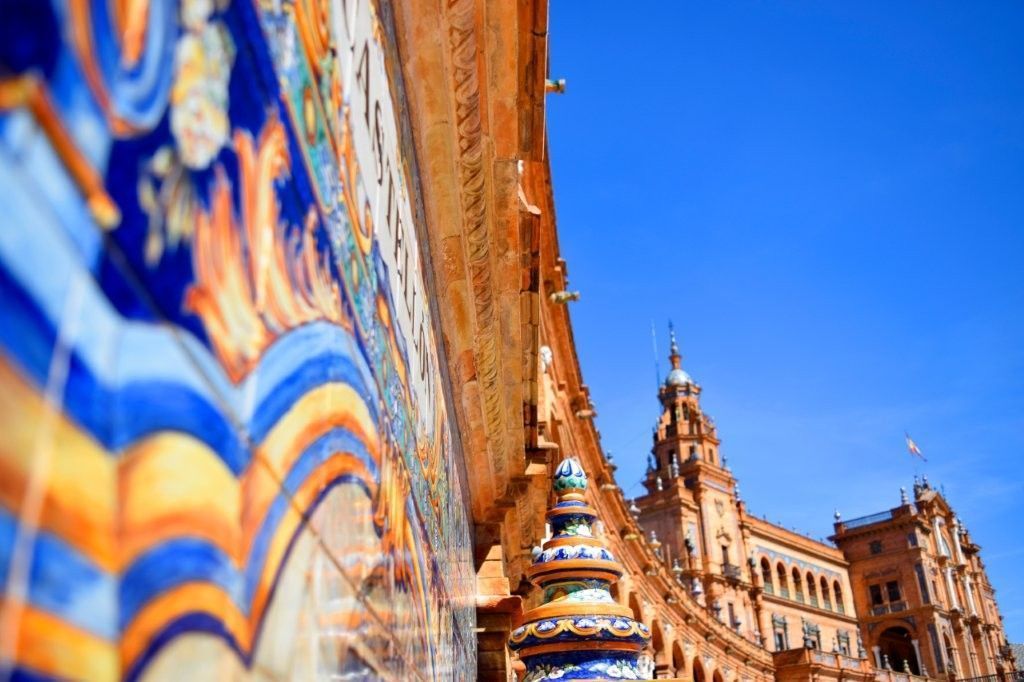
His masterpiece is, of course, Plaza de España, one of the most photographed spaces in the world. Its monumental semicircle, bridges, towers, canal and ceramic benches create an architectural stage where Spain is represented through tile, colour and memory.
❤️ My insight: Plaza de España is not only a beautiful square. It is an idea of Spain, an idea of Seville, and an idea of how architecture can turn identity into space.
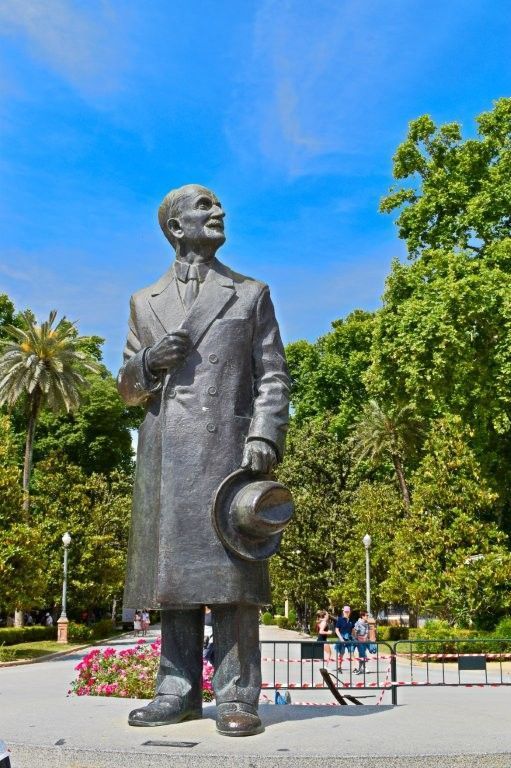
✨ Five keys to Andalusian Regionalism
🧱 1. Brick as protagonist: warm, rhythmic, ornamental and deeply connected with Sevillian construction traditions.
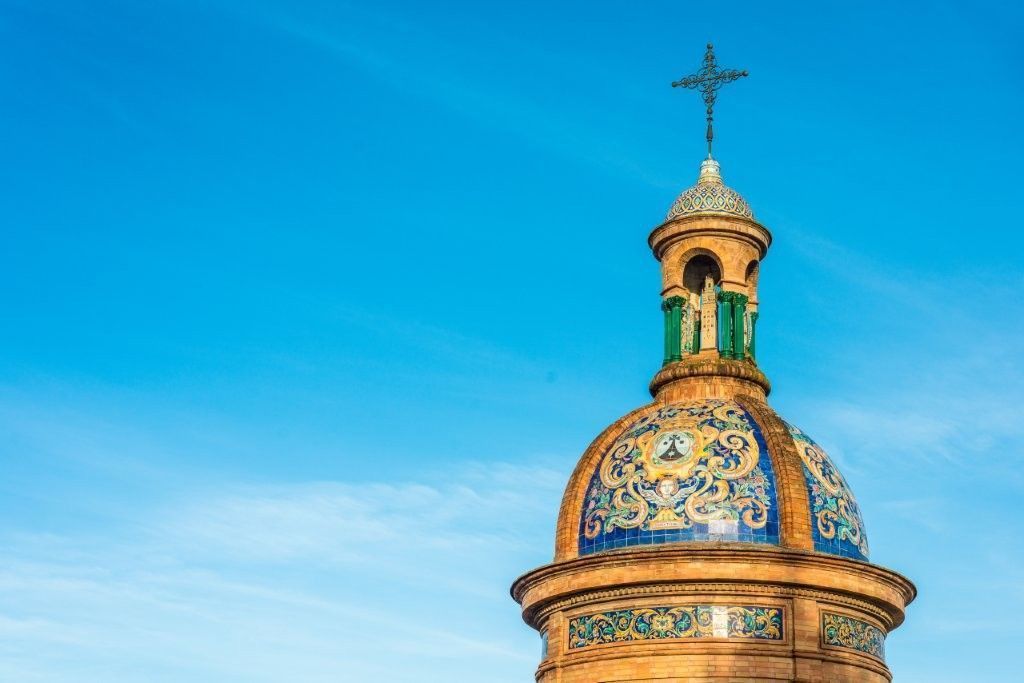
🔷 2. Ceramic brilliance: glazed tiles bring colour, narrative, craftsmanship and a very local sense of beauty.
🏺 3. Historic styles reimagined: Mudéjar, Renaissance and Baroque are not copied mechanically, but transformed into a modern language.
⚒️ 4. Decorative arts as architecture: ironwork, carpentry, ceramics and sculpture are essential parts of the whole.
🌞 5. Andalusian identity: architecture becomes a declaration of place, memory and cultural pride.
🔎 Our guided tours
At VisitarSevilla.com, we invite you to discover the brilliance of Aníbal González and Sevillian Regionalism through carefully designed private routes.
We walk through the places shaped by his genius, explain the historical context of the 1929 Ibero-American Exposition and admire his masterpieces in order to understand why he is sometimes called the Sevillian Gaudí.
🎯 Ideal for: architecture lovers, art historians, cultural travellers, photographers, schools, companies, private groups and anyone who wants to understand the Seville of 1929.
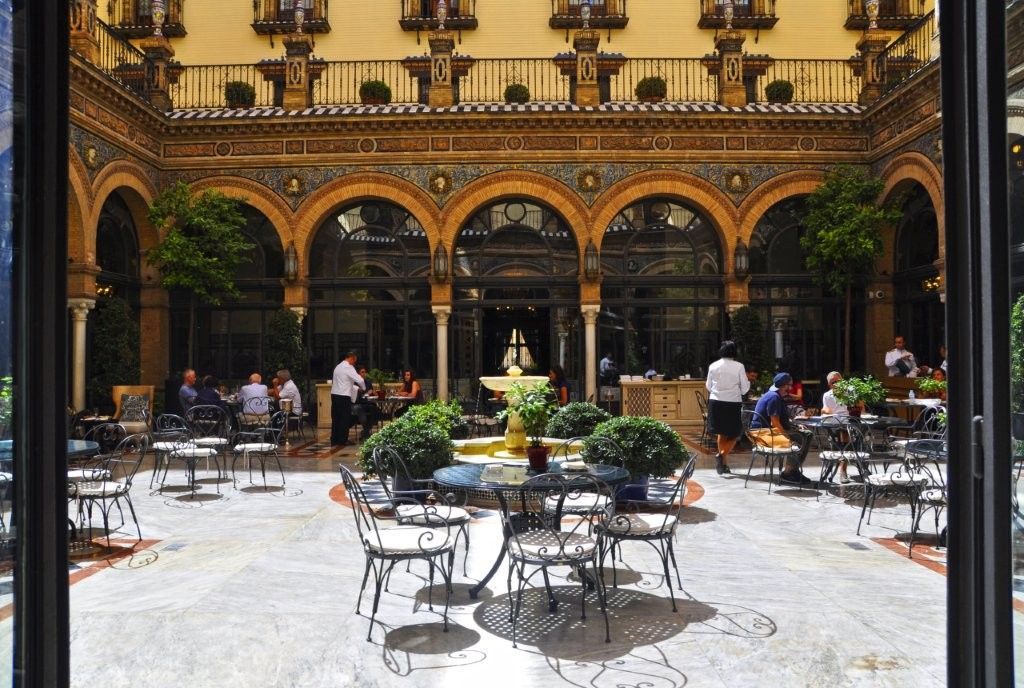
📍 Places we can include
🏛️ Plaza de España: Aníbal González’s masterpiece and the great icon of the 1929 Exposition.
🌳 Parque de María Luisa: gardens, fountains, roundabouts and the urban setting of the Exposition.
🏺 Plaza de América: one of the most elegant ensembles of Regionalist architecture.
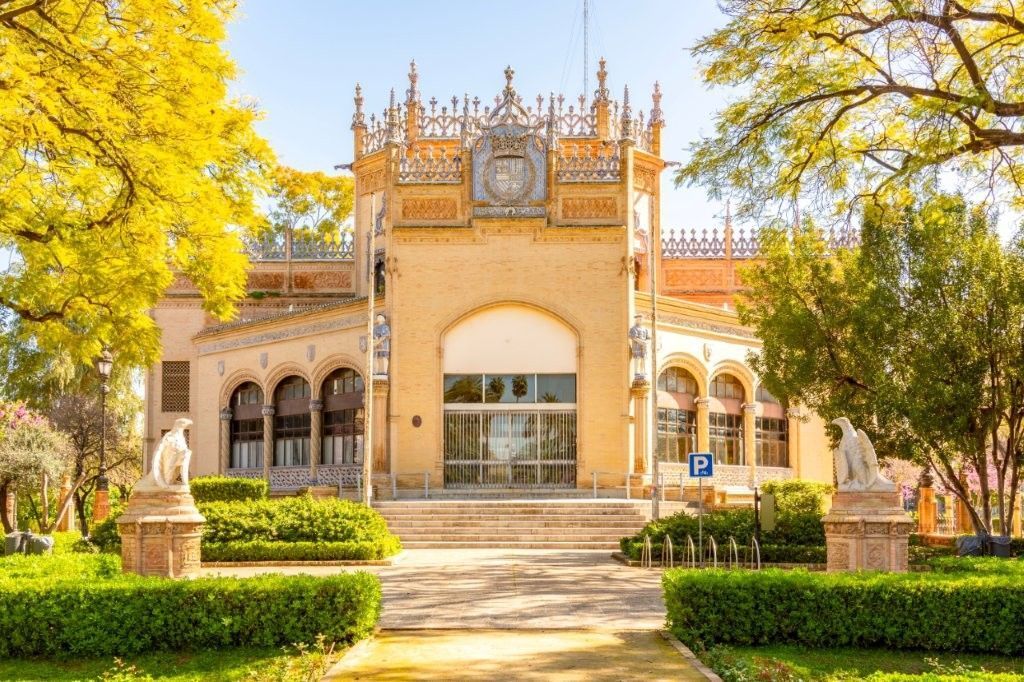
🧱 Pabellón Mudéjar: today the Museum of Arts and Popular Traditions.
👑 Pabellón Real: refined brickwork, ceramic and ornamental detail.
🏘️ Urban Regionalism: residential and civic buildings that still define Seville’s silhouette.
🌟 Ornamental beauty, tradition and modernity
Aníbal González’s Regionalism is instantly recognizable because it balances tradition and modernity. It looks back to Seville’s artistic memory while responding to the needs of a modern city preparing for an international exposition.
His buildings breathe Seville’s essence: polychrome ceramics that tell stories, finely worked iron, reimagined Mudéjar motifs, generous proportions and warm urban spaces designed to welcome everyday life.
🎨 Local feeling: Regionalism does not only build façades. It creates atmosphere: shade, colour, water, ceramic reflections, garden walks and a sense of belonging.
🔭 Parallels with Gaudí
The comparison between Gaudí and Aníbal González is not exact, but it is very useful. Both architects created powerful visual identities for their cities, rooted in local traditions and expressed through exceptional craftsmanship.
🌍 Regional roots, universal language: Gaudí distilled Catalan identity into symbolic forms; González elevated Andalusian identity through historicist synthesis.
🧱 Material poetics: Gaudí worked with stone, trencadís and iron; González orchestrated brick, tile and wrought iron.
🏙️ City-making: both shaped the image of their cities through emblematic architecture.
⚒️ Craftsmanship as DNA: in both cases, architecture and artisanal excellence are inseparable.
🚶 Suggested Regionalist route in Seville
🌳 1. Parque de María Luisa: the garden setting of the great Exposition.
🏛️ 2. Plaza de España: the monumental masterpiece of Aníbal González.
🏺 3. Plaza de América: Mudéjar, Gothic and Renaissance inspiration in dialogue.
🧱 4. Pabellón Mudéjar and Pabellón Real: decorative arts, brickwork and ceramic detail.
🏨 5. Hotel Alfonso XIII add-on: coffee, lunch or dinner in a regionalist landmark.
🐎 6. Optional carriage extension: a charming way to connect farther buildings and enjoy the city rhythm.
🍽️ Refined add-ons for your experience
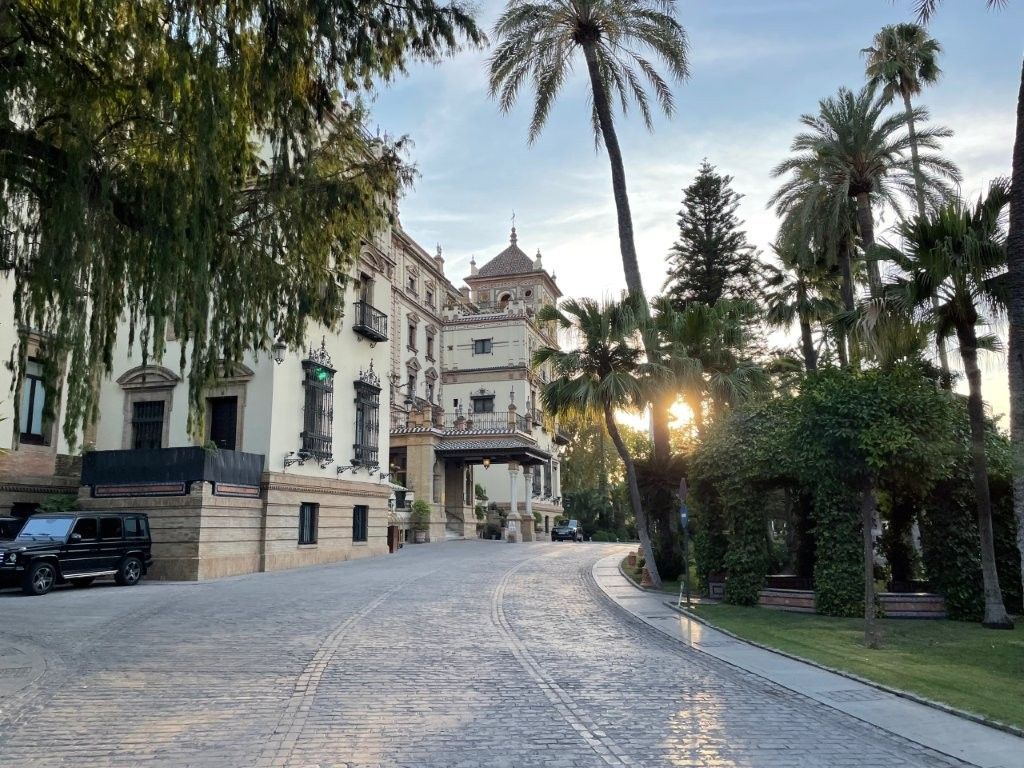
☕ Coffee, lunch or dinner at Hotel Alfonso XIII
Enhance your tour with a stop at the Hotel Alfonso XIII, one of the great landmarks connected with the atmosphere of the 1929 Exposition. We can reserve a beautiful spot to enjoy coffee, lunch or dinner while appreciating its architecture.
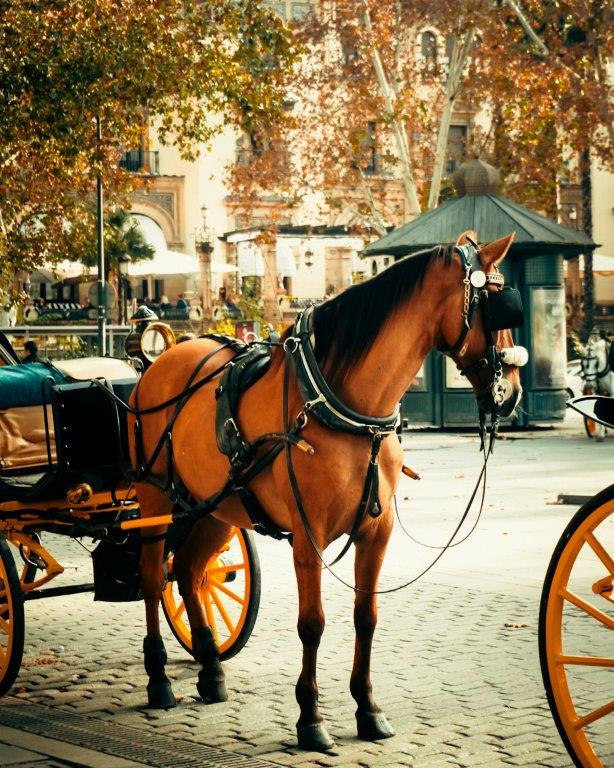
🐎 Horse-drawn carriage extension
To reach notable buildings that sit a little farther away, add a horse-drawn carriage ride. It is a charming and very Sevillian way to continue the architectural thread.
🍸 Signature cocktail with a 1929 heritage touch
Round off the day with a special cocktail experience at a luxury hotel, with references to Aníbal González, Seville 1929 and the refined atmosphere of the period.

🖼️ Pictorial Regionalism add-on
Complement the architectural route with a curated visit to a superb museum showcasing early twentieth-century Sevillian painting, romantic aesthetics and the iconic figure of the Andalusian woman.
🫶 Who this route is for
This route is ideal for architecture lovers, photographers, cultural travellers, art historians, teachers, students, companies, private groups and anyone interested in the transformation of Seville in the early twentieth century.
🏛️ Architecture lovers: a deep look at Regionalism and the 1929 Exposition.
📸 Photography lovers: Plaza de España and Plaza de América are visually extraordinary.
🎓 Students and teachers: ideal for educational visits about urbanism, art and identity.
👥 Private groups: adaptable rhythm and tailor-made interpretation.
💎 VIP travellers: add hotel experiences, carriage rides, cocktails or museum extensions.
✅ What’s included
- 🧑🏫 Private guided route with a specialist local guide.
- 🏛️ Explanation of Aníbal González and Andalusian Regionalism.
- 🌍 Historical context of the 1929 Ibero-American Exposition.
- 🧱 Architectural interpretation of brick, ceramics, ironwork and historicist styles.
- 📍 Flexible itinerary adapted to your interests and pace.
- 🗣️ Available in English, Spanish, Italian or French, depending on guide availability.
❌ Not included
- 🎟️ Museum or monument tickets, if any are added.
- 🚕 Transport, unless requested.
- ☕ Coffee, lunch, dinner or drinks.
- 🐎 Horse-drawn carriage ride.
- 📸 Photographer or video service.
🧾 Practical notes
⏱️ Duration: usually 2 hours; longer versions available.
📍 Suggested area: Plaza de España, Parque de María Luisa and Plaza de América.
🗣️ Languages: English, Spanish, Italian and French, depending on availability.
👟 What to wear: comfortable shoes and sun protection in warm months.
🎁 Recommended add-ons: Hotel Alfonso XIII, horse carriage, cocktail experience or museum extension.
⭐ Why do this Regionalism tour with VisitarSevilla.com?
📍 Local perspective: we explain Aníbal González as part of Seville’s urban and cultural identity.
🎓 Historical depth: the route connects architecture with the 1929 Ibero-American Exposition.
🧱 Material reading: brick, ceramic, ironwork and decorative arts are explained in detail.
👥 Private format: flexible rhythm, tailored content and personal attention.
🎁 Elegant add-ons: hotel, carriage, cocktail and museum extensions.
❤️ Emotional connection: we treat Regionalism as one of the great artistic languages of Seville.
📖❓ FAQs — Aníbal González and Regionalism Tour in Seville
Who was Aníbal González? ▼
Aníbal González was one of Seville’s most important architects and the great master of Andalusian Regionalism. His most famous work is Plaza de España.
Is Plaza de España included? ▼
Yes. Plaza de España is usually the central highlight of this route.
Can the tour include Hotel Alfonso XIII? ▼
Yes. We can add coffee, lunch, dinner or a refined stop at Hotel Alfonso XIII, depending on availability and your preferences.
Is this route suitable for architecture lovers? ▼
Absolutely. It is one of the best routes in Seville for understanding architecture, urban history, craftsmanship and local identity.
How can I book? ▼
Email us at info@visitarsevilla.com or contact us directly by WhatsApp at +34 646 15 68 14.




Leave a comment