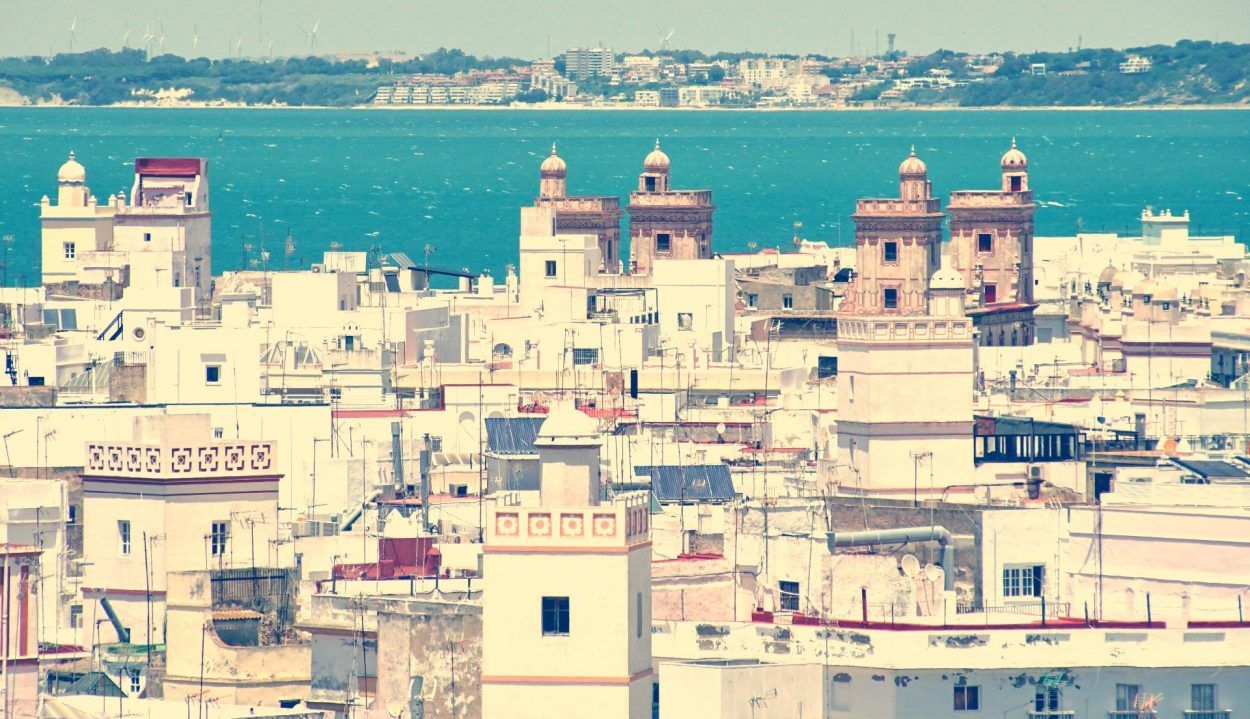

🕌 The Forgotten Legacy: Islamic Heritage in the City of Cádiz
Tucked away on the southern coast of Spain, the city of Cádiz is best known for its baroque architecture, Atlantic views, and flamenco soul. But beneath its lively streets and colonial facades lies a lesser-known chapter: its Islamic past, when Cádiz was known as Yazirat Qadis, “the Island of Qadis”.
This era, though often overshadowed, left an indelible mark on the city’s topography, culture, and urban structure.
🧭 Explore Islamic Cádiz with a Local Guide
🔍 Discover the city’s hidden Muslim past
Join a private walking tour through the oldest quarter of Cádiz and learn about Yazirat Qadis, the medieval Islamic city built over Roman Gades. Visit the remnants of 11th-century walls, hear stories of the Taifa period, and stand where a mosque once stood — beneath today’s Old Cathedral.
📍 Ideal for history lovers
Our guides bring to life the cultural legacy of Islamic Cádiz and show how it blends into the fabric of modern-day El Pópulo.
📲 Want to book or ask questions?
Contact us on WhatsApp

A City once called Yazirat Qadis
During the Islamic period, the city was renamed Yazirat Qadis, meaning “Island of Cádiz,” reflecting its geographical shape and maritime identity. This Islamic settlement emerged over the ruins of the ancient Roman city Gades, and occupied the same footprint as the current El Pópulo neighborhood — now considered one of the oldest continuously inhabited urban areas in Europe.
Though Cádiz never achieved the prominence of nearby cities like Jerez, Medina Sidonia, or Vejer during al-Andalus, it was an active seafaring, commercial, and military enclave, affiliated with the Kingdom of Fez across the strait.
What remains today
Little survives of Islamic Cádiz, but a section of the 11th-century wall still stands as a powerful reminder of its medieval defenses. While the city’s Islamic castle has been lost to time, visitors can still uncover fascinating traces of the Muslim era:
The Old Cathedral of Cádiz was built directly over the city’s main mosque. In fact, some architectural features of the mosque are still visible today, silently witnessing centuries of transformation.
The layout of El Pópulo retains elements of its Islamic street plan — narrow, winding alleys that once echoed the sounds of Andalusi life.
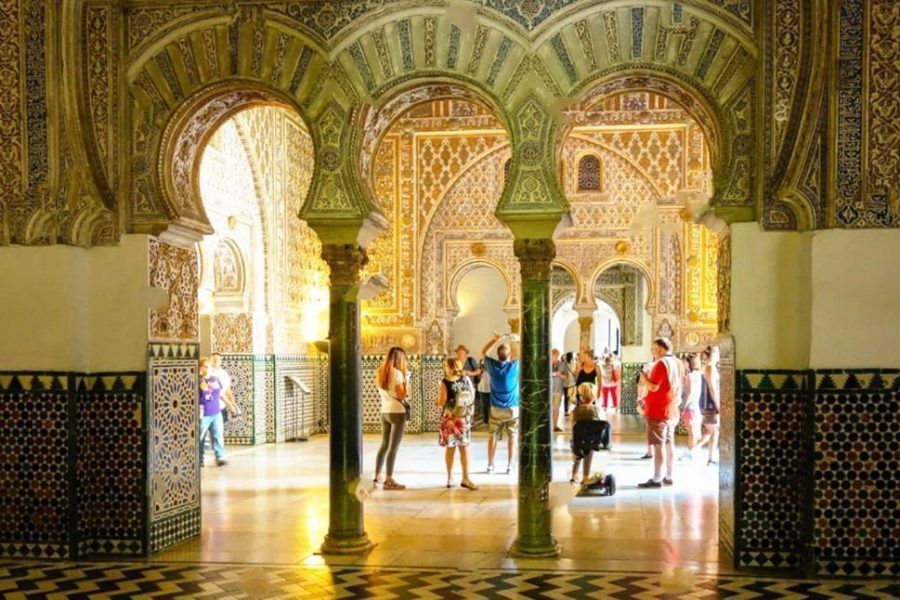
To further explore this forgotten chapter of Cádiz’s past, the Museum of Cádiz houses an archaeological section dedicated to the city’s Islamic period. Here, you’ll find ceramic fragments, funerary steles, coins, and everyday objects that help reconstruct life in Yazirat Qadis. These rooms offer a deeper understanding of the material culture and artistic expressions of al-Andalus on the Atlantic coast — and they can be included as part of our Islamic Cádiz tour for those wishing to dive even deeper into this layered history.
In 1262, the city was taken by Alfonso X “El Sabio”, marking the end of Muslim rule in Cádiz. Yet, the memory of that era still lingers beneath the surface of the whitewashed walls and cobbled lanes.



Leave a comment